
Botswana
Botswana was part of my second trip to Africa. I was traveling with my friend Sara for a pathology conference in South Africa, and since we were already going that far, it seemed perfectly reasonable to add Botswana and Victoria Falls to the trip.
This was still before I discovered the points-and-miles world, so Sara and I met in Atlanta and flew coach to Cape Town via Johannesburg. Apparently I once believed this was an acceptable way to travel to Africa.
After my first safari in Tanzania, I wanted to experience something different, and Botswana was exactly that.
We split our safari between two very different camps: Little Kwara in the Okavango Delta and Lagoon Camp farther north in the Kwando region. Botswana felt quieter and a little more polished than the Tanzania I remembered. There weren't huge open plains filled with seemingly endless herds of wildebeest and zebra. Here there was water everywhere, with narrower roads winding through trees and vegetation. Wildlife often appeared almost by surprise.
There were elephants—so many elephants—and African wild dogs, hyenas, hippos and birds everywhere. Our guides somehow managed to show us four of the Big Five and, just as impressively, all five of the Little Five. We drank coffee in the bush, traveled through the water in a traditional dugout canoe, took evening boat rides and stopped for sundowners while the African day faded around us.
Some afternoons were gloriously uneventful. I would nap beneath a mosquito net with a fan turning overhead or sit on our patio writing in my journal, waiting for the heat of the day to pass before it was time to go out again.
The water gave safari an entirely different rhythm. On our boat rides, we'd travel through the channels to a huge heronry crowded with nesting waterbirds. There were herons and storks everywhere—adults tending nests and awkward babies packed into the trees. We'd watch elephants wading through the water and little hippo eyes popping above the surface, looking deceptively adorable while concealing one of Africa's more dangerous animals.
At night, Botswana became something else entirely.
On one night safari, we found a pair of lions together in the darkness. The male was feeling romantic. The female was not.
Every time we turned the spotlight toward them, they'd stir, he'd make another hopeful attempt, and she'd essentially tell him, “Not tonight, honey.” We'd turn the light back off and leave them to negotiate.
But when the lights went out, the darkness was almost absolute.
There were stars above us and fireflies glowing in the grass below, and after a while I couldn't tell where the earth ended and the sky began. For a few moments, we seemed to be suspended in the middle of all of it.
Back at camp, we'd sit around the fire and sing “Beeee-you-tiful Botswana.” There were night sounds and campfires, lazy afternoons and early mornings, boat rides and game drives, coffee in the bush and sundowners in the middle of nowhere.
Tanzania had shown me the enormous scale of Africa. Botswana showed me something more intimate.
You could turn a corner and find an elephant. Look across the water and see a pair of hippo eyes watching you. Turn off the lights and lose the horizon completely.
For me, Botswana wasn't about one spectacular wildlife sighting. It was the feeling of being surrounded by the wild—even when I couldn't see it.
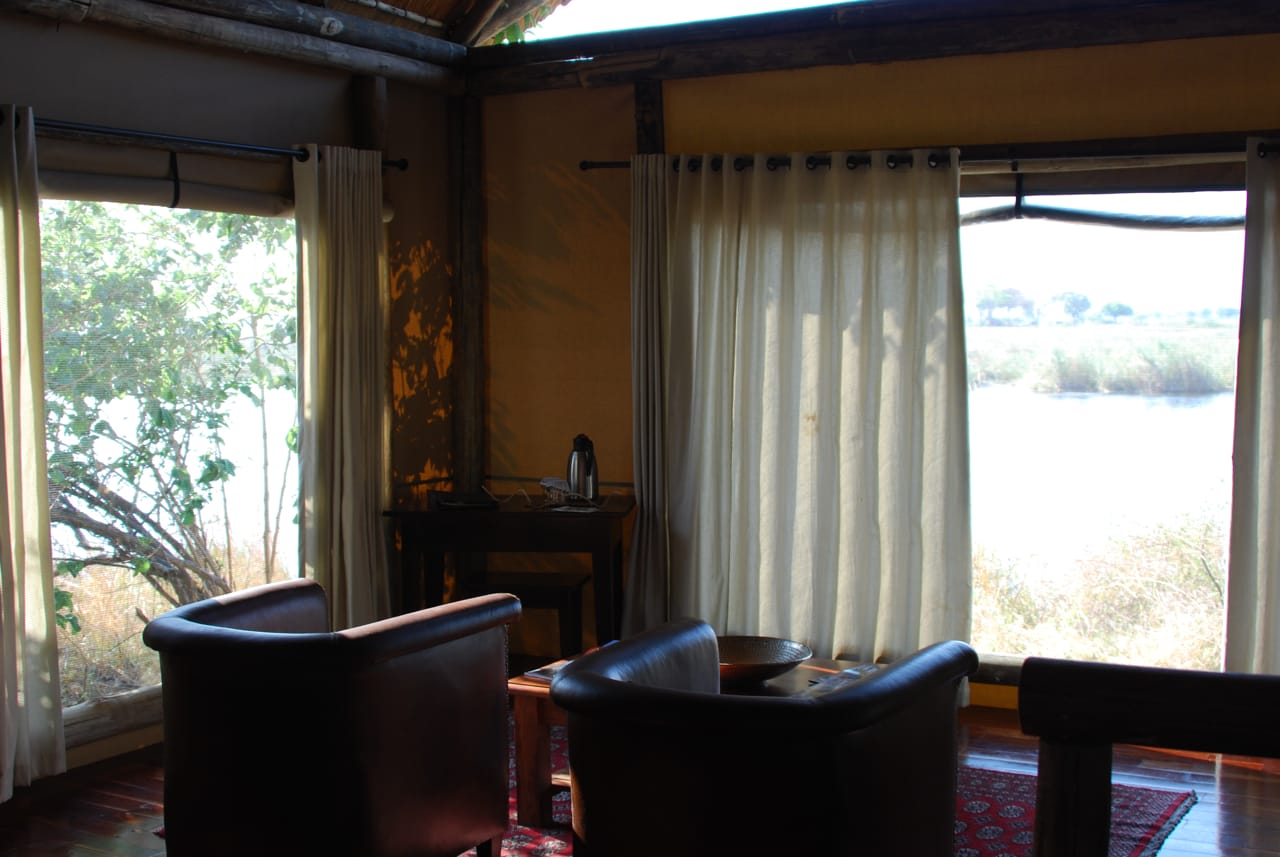
Our Tent, Okavango Delta
Botswana
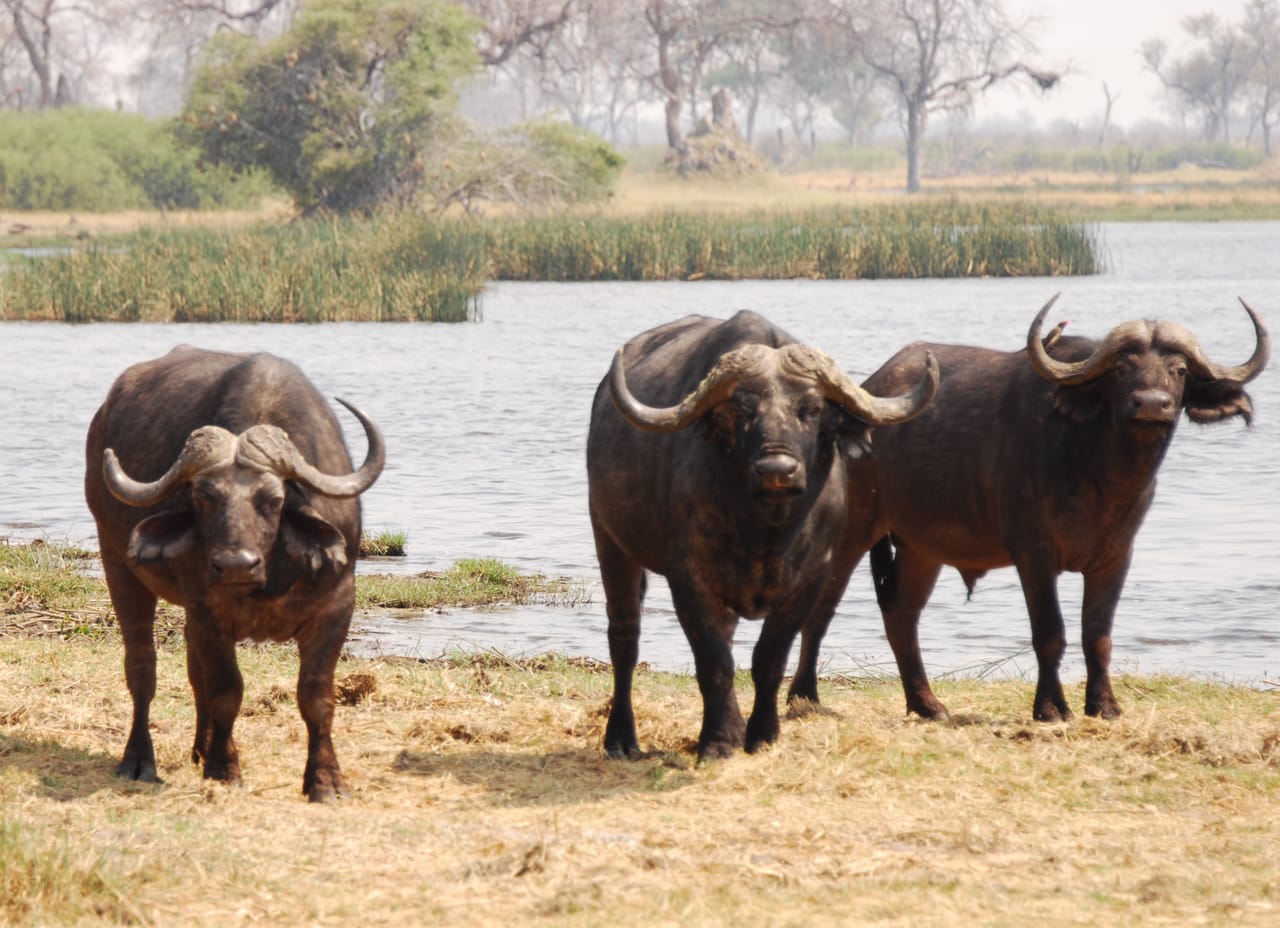
Cape Buffalo
Botswana
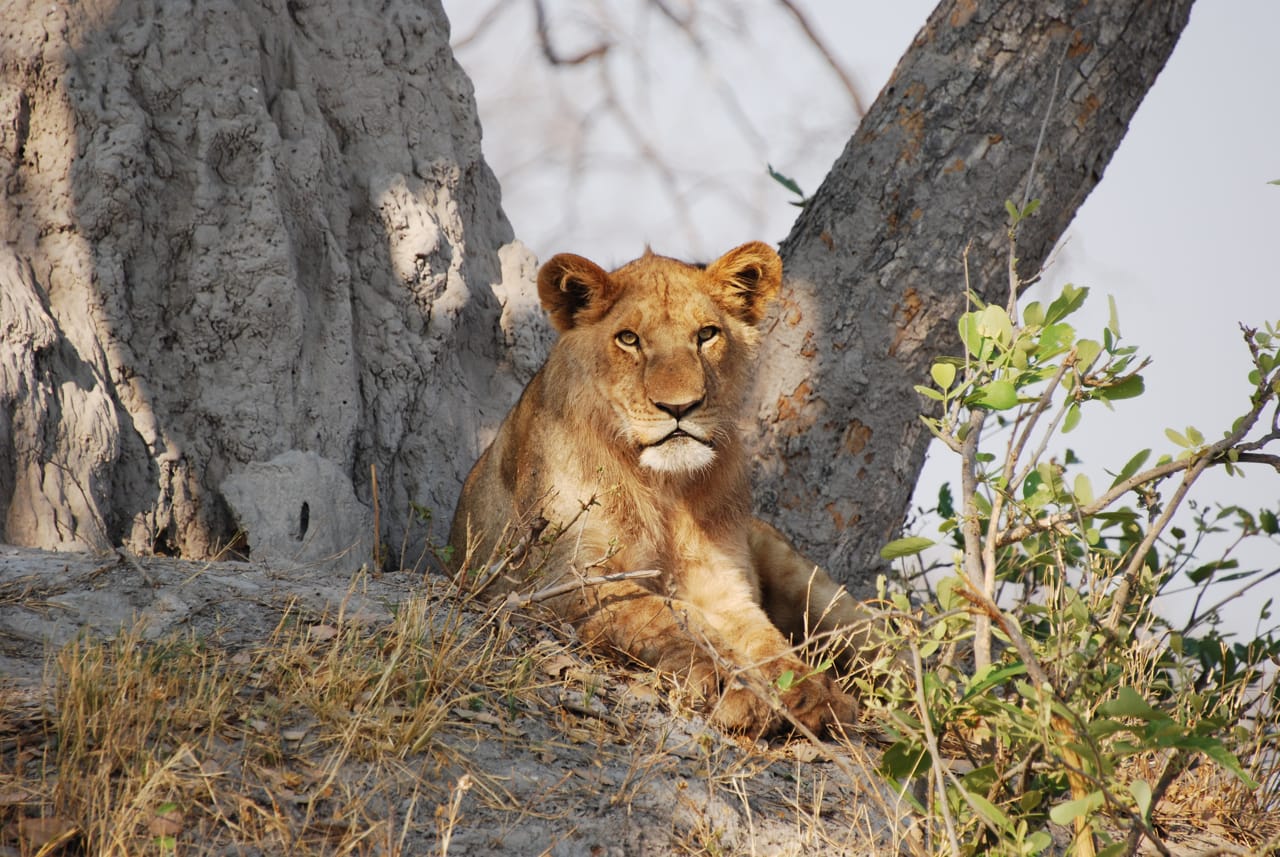
Juvenile Male Lion
Botswana
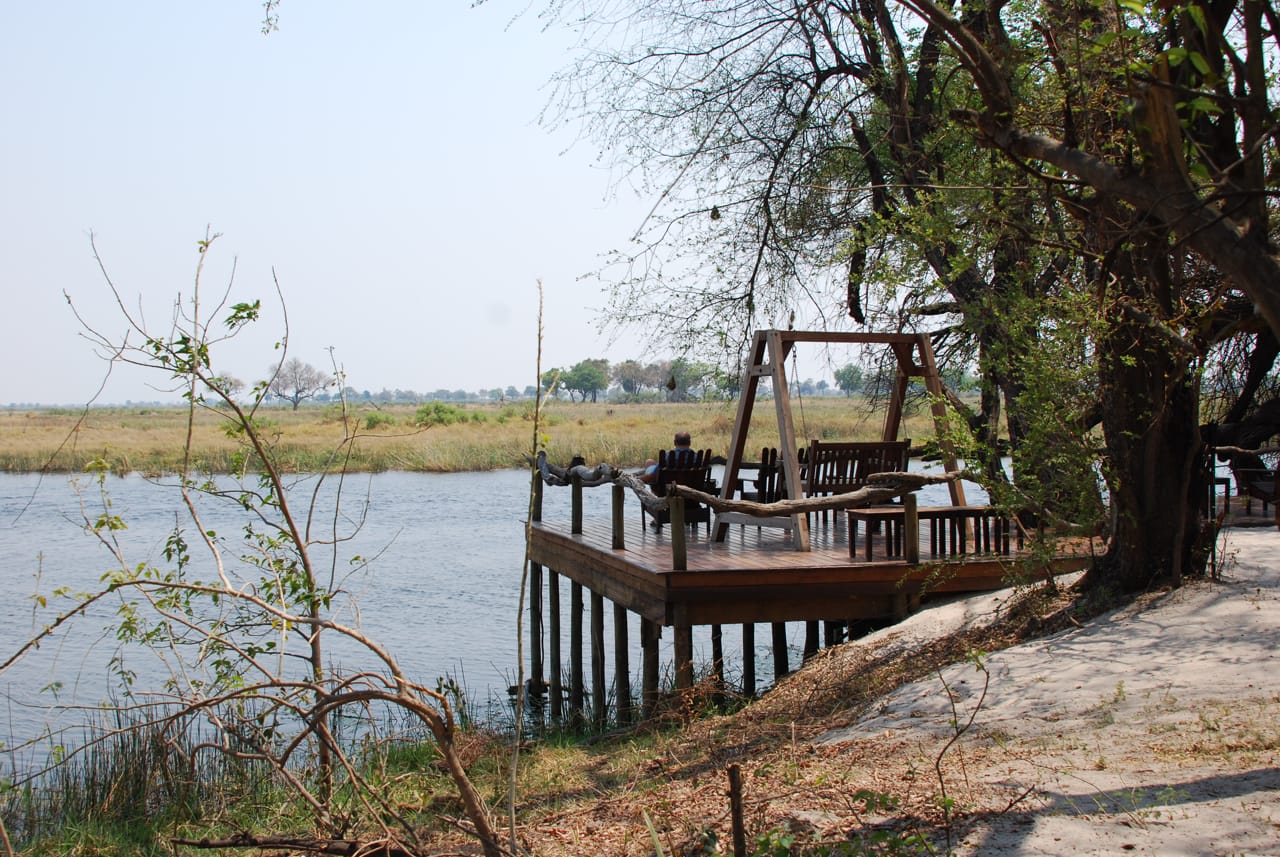
Little Kwara Camp, Okavango Delta
Botswana
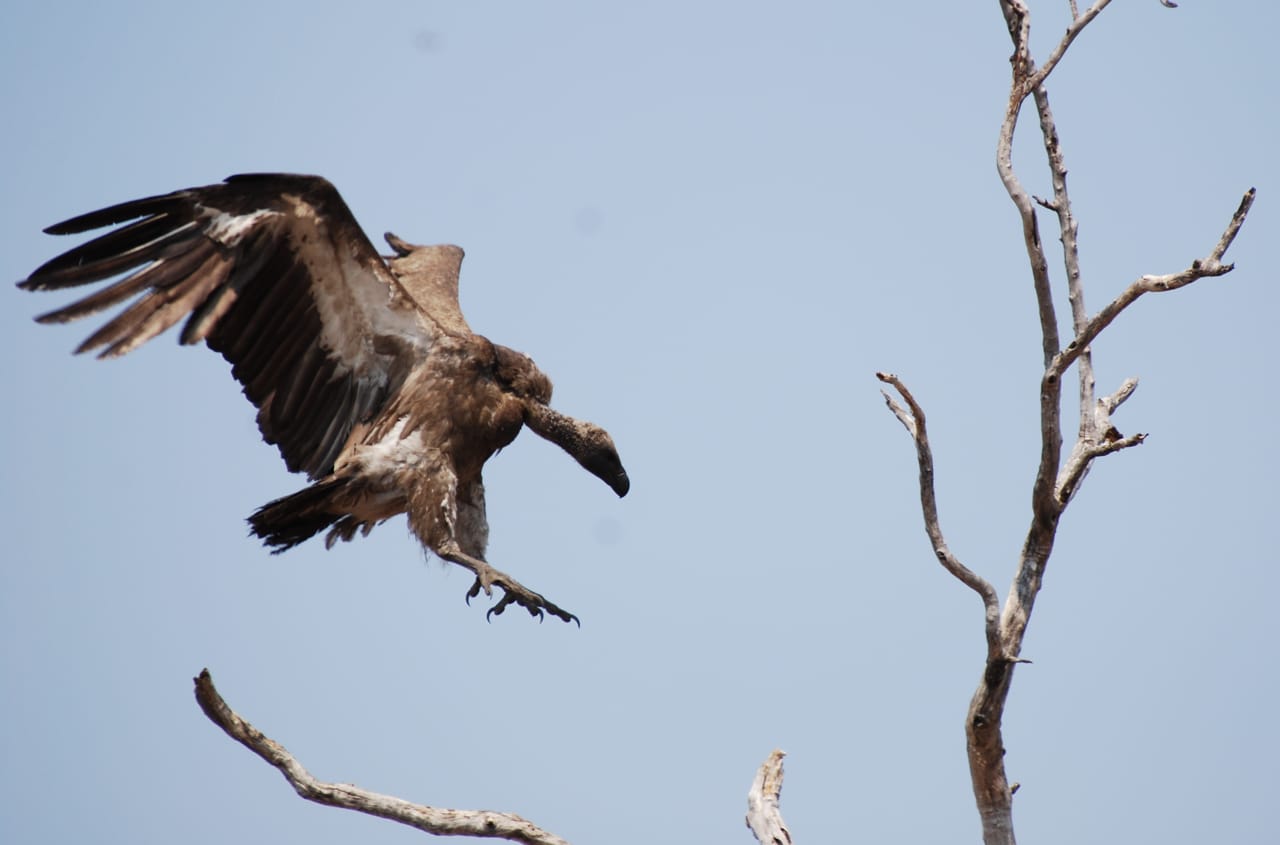
Vulture Coming in for a Landing
Botswana
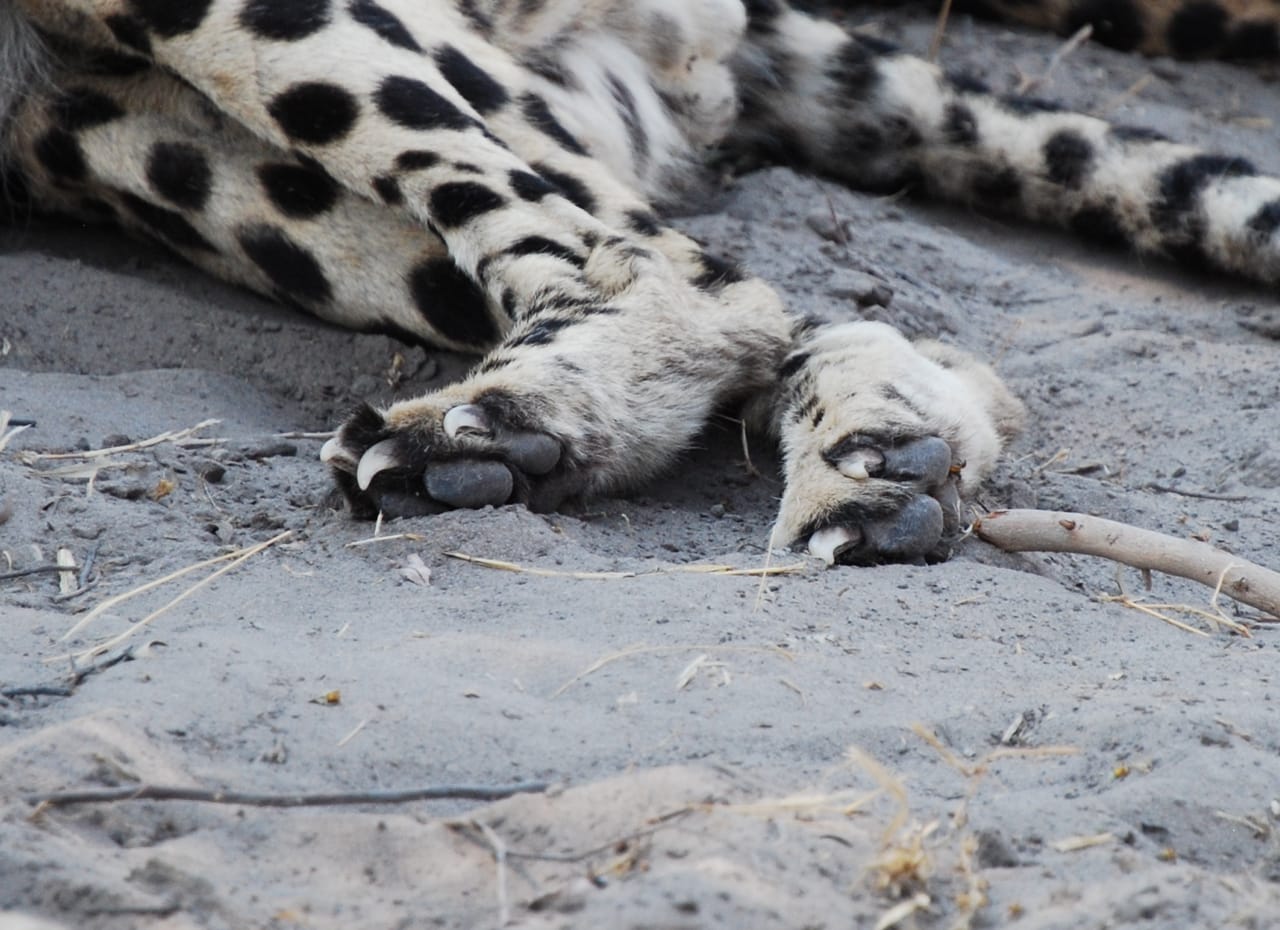
Cheetah Feet
Botswana
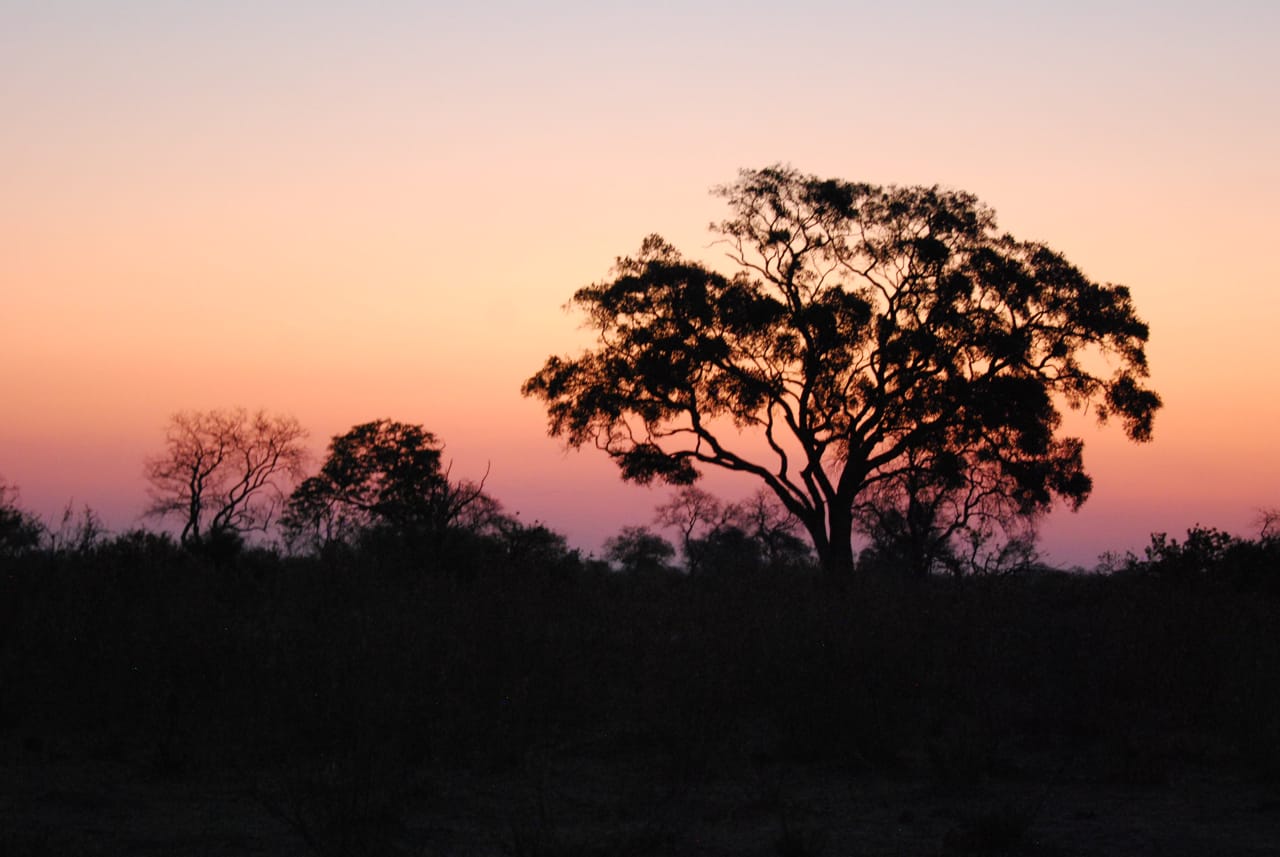
Sunset In Botswana
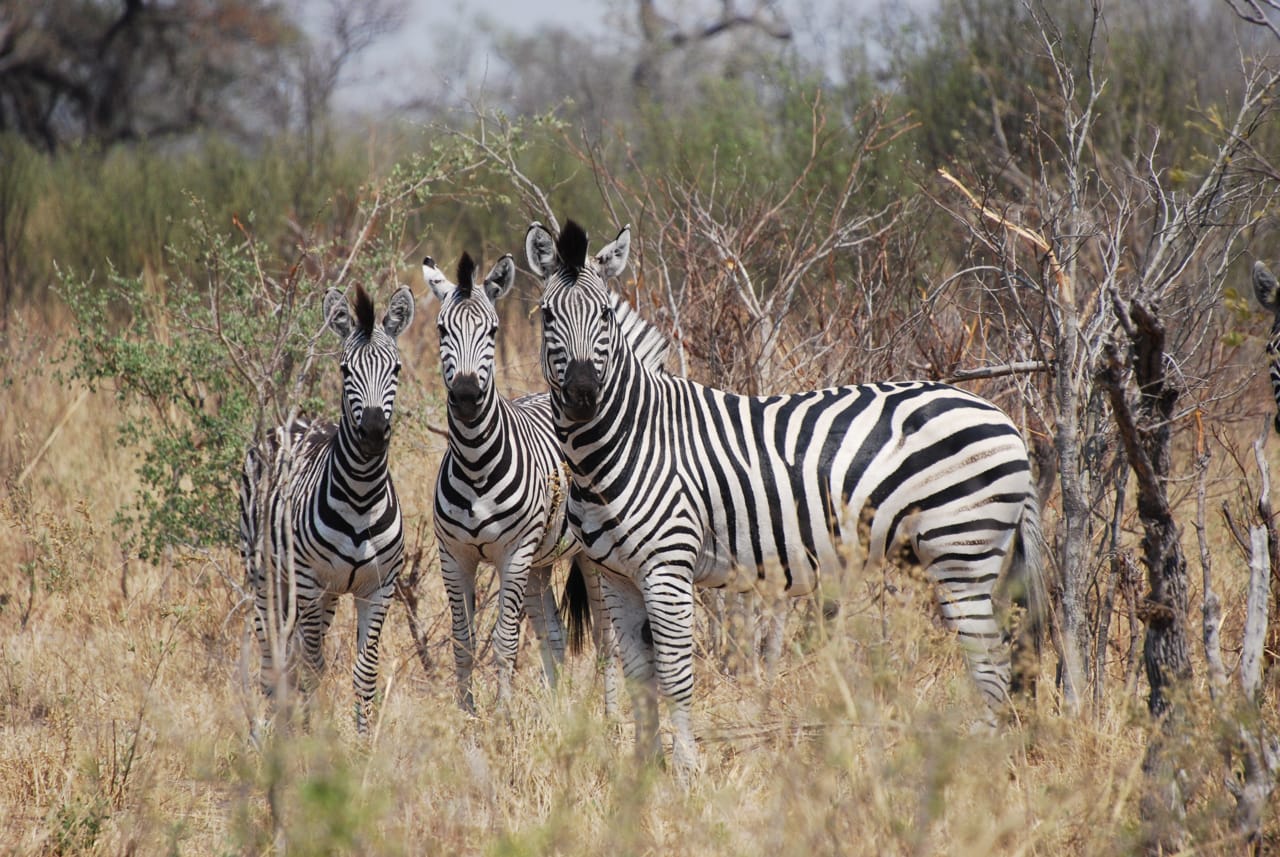
Zebra Family Checking Us Out
Botswana
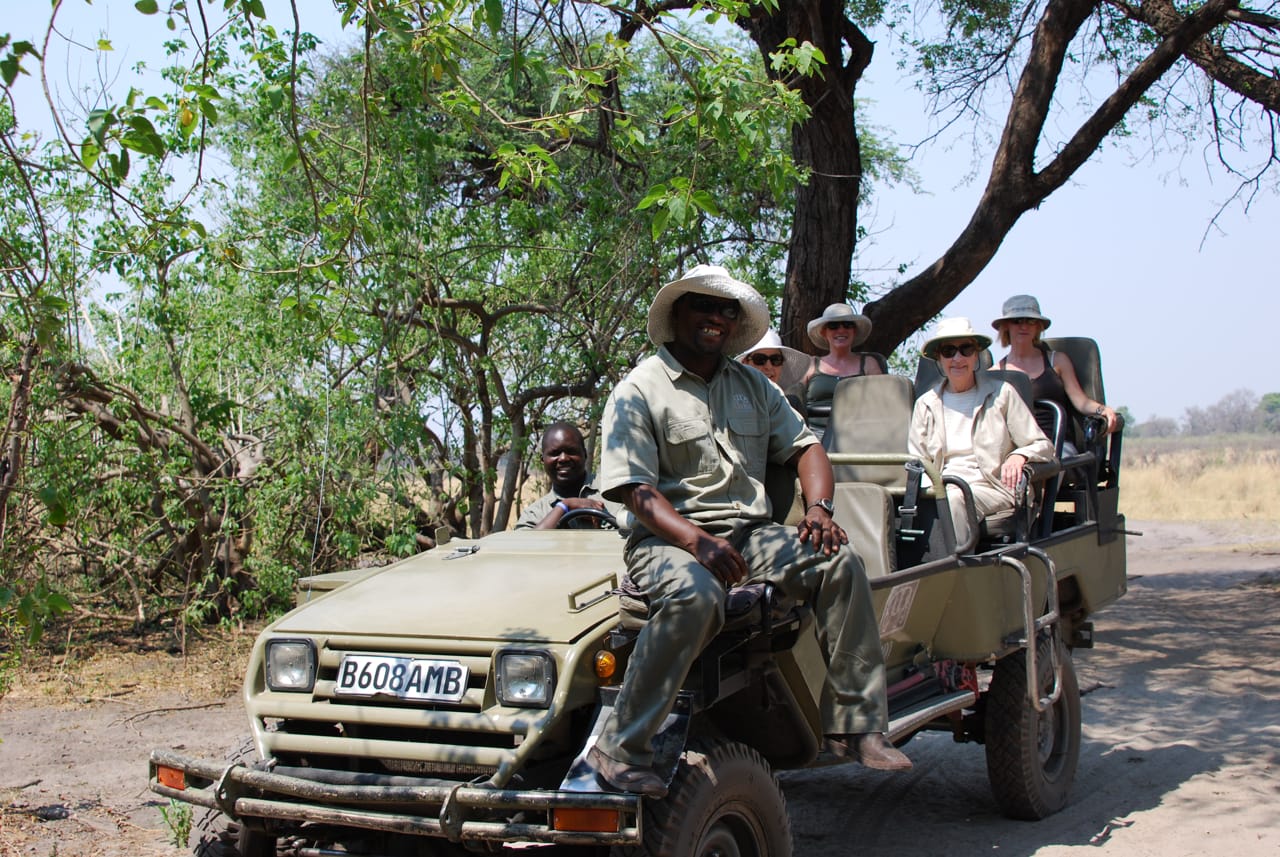
Our Safari Group, Lagoon Camp
Botswana
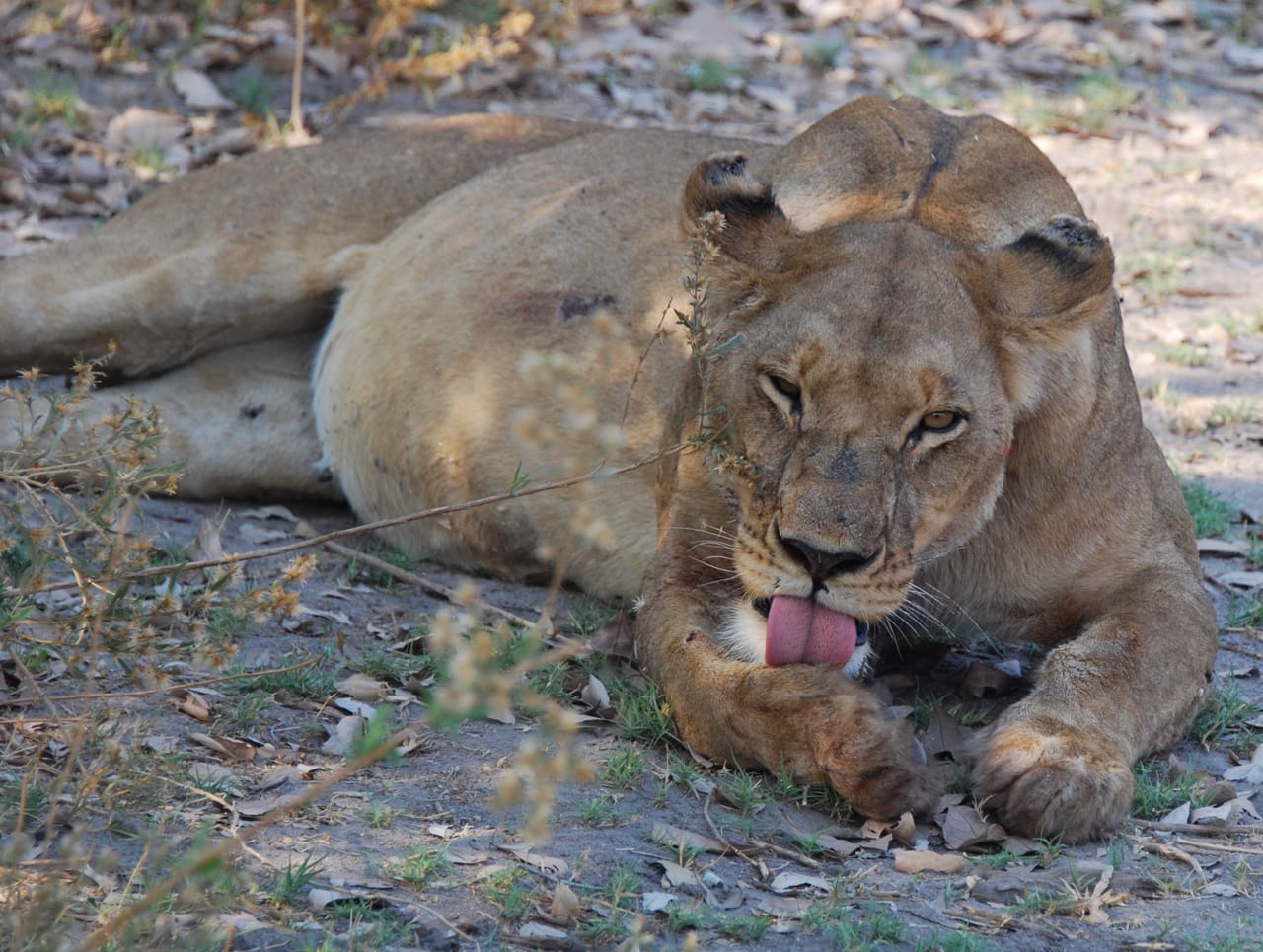
Female Lion Doing What Kitties Do
Botswana
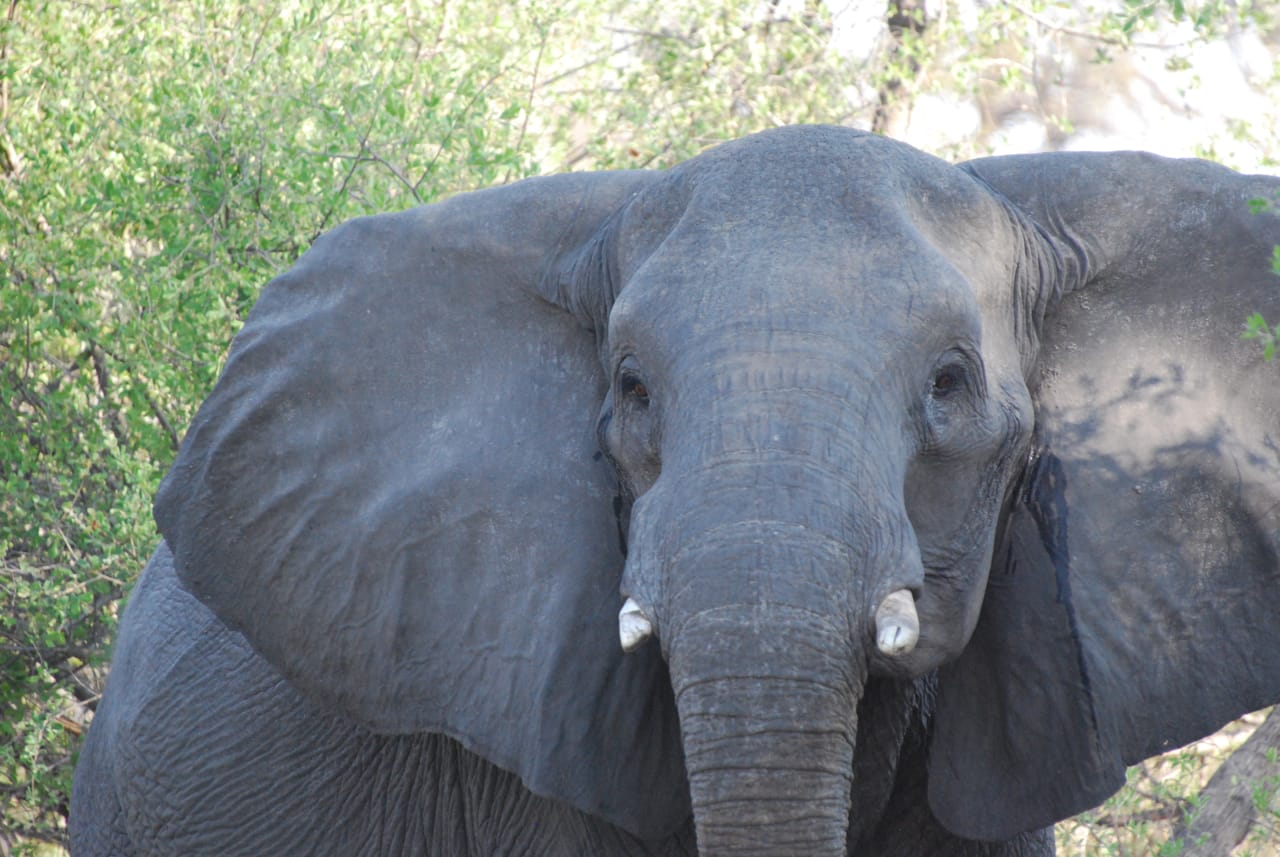
Elephant in Botswana
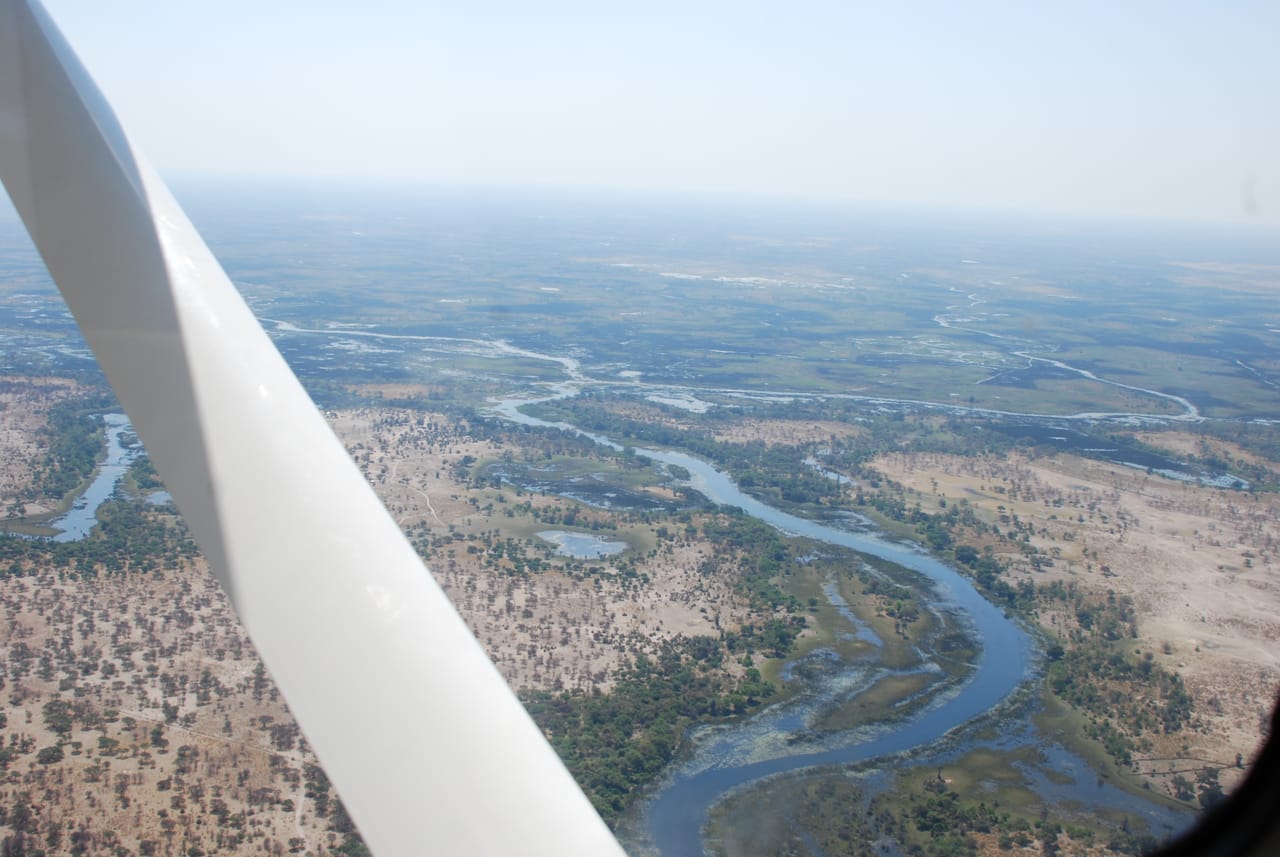
Flying Over the Okavango Delta, Botswana
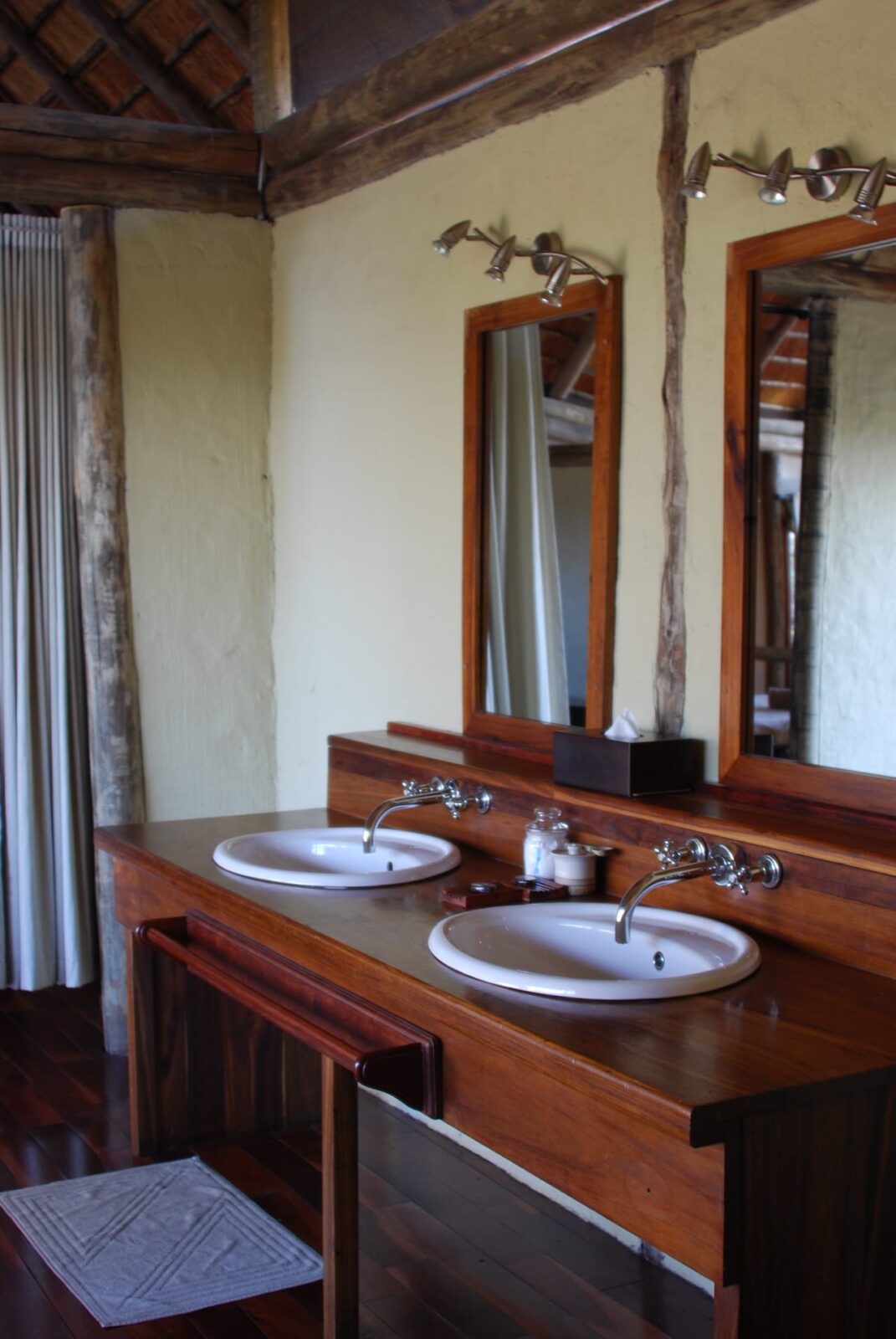
Our Tent, Okavango Delta
Botswana
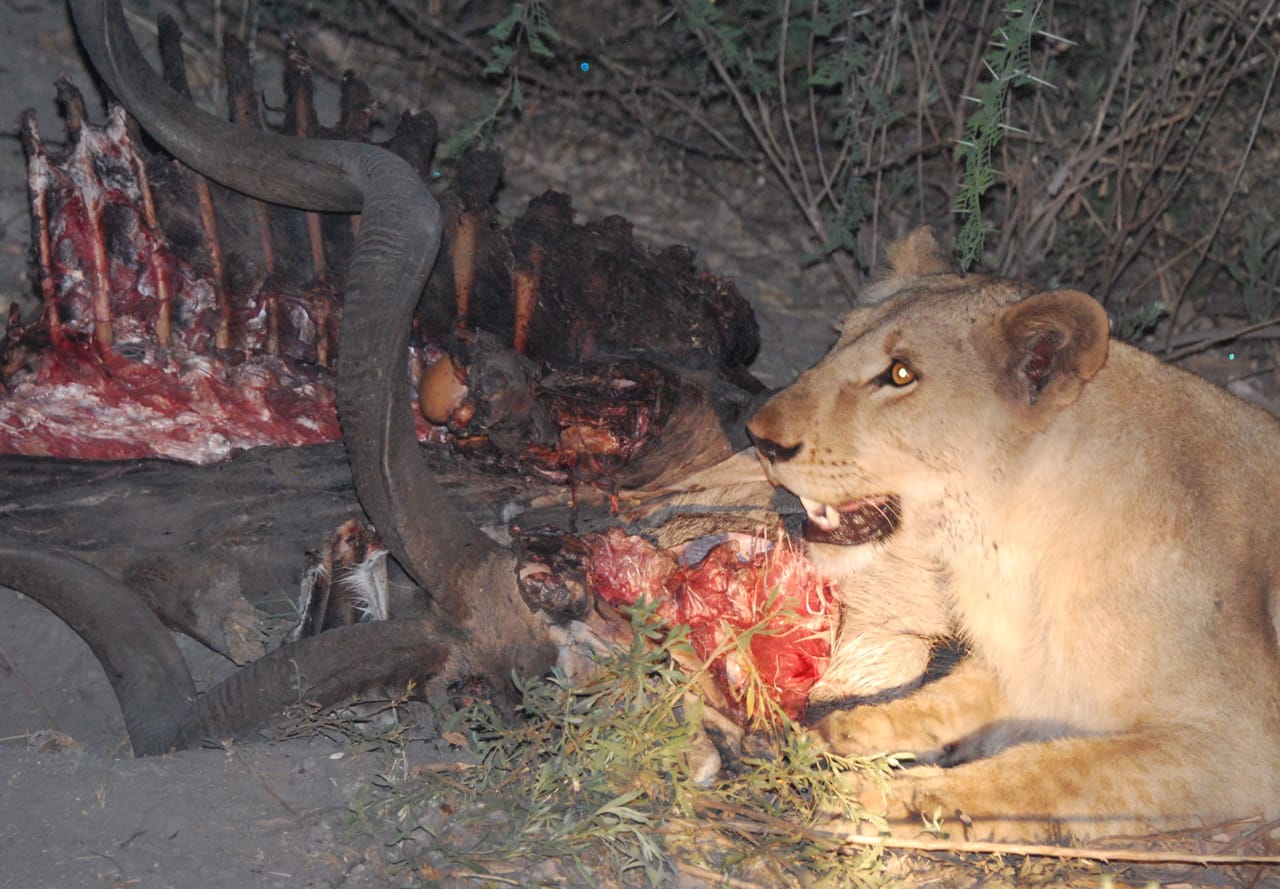
Lion with Kill
Botswana
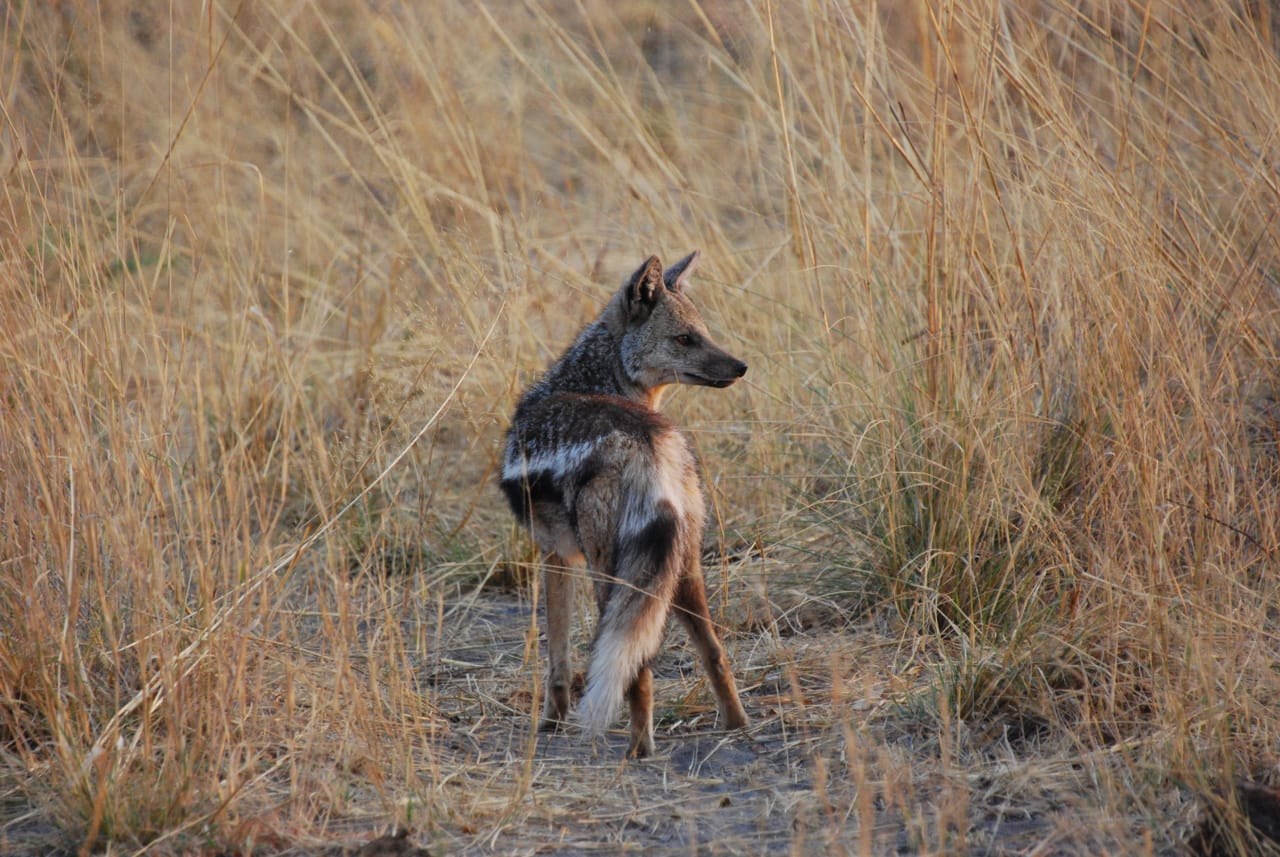
Black-Backed Jackal
Botswana
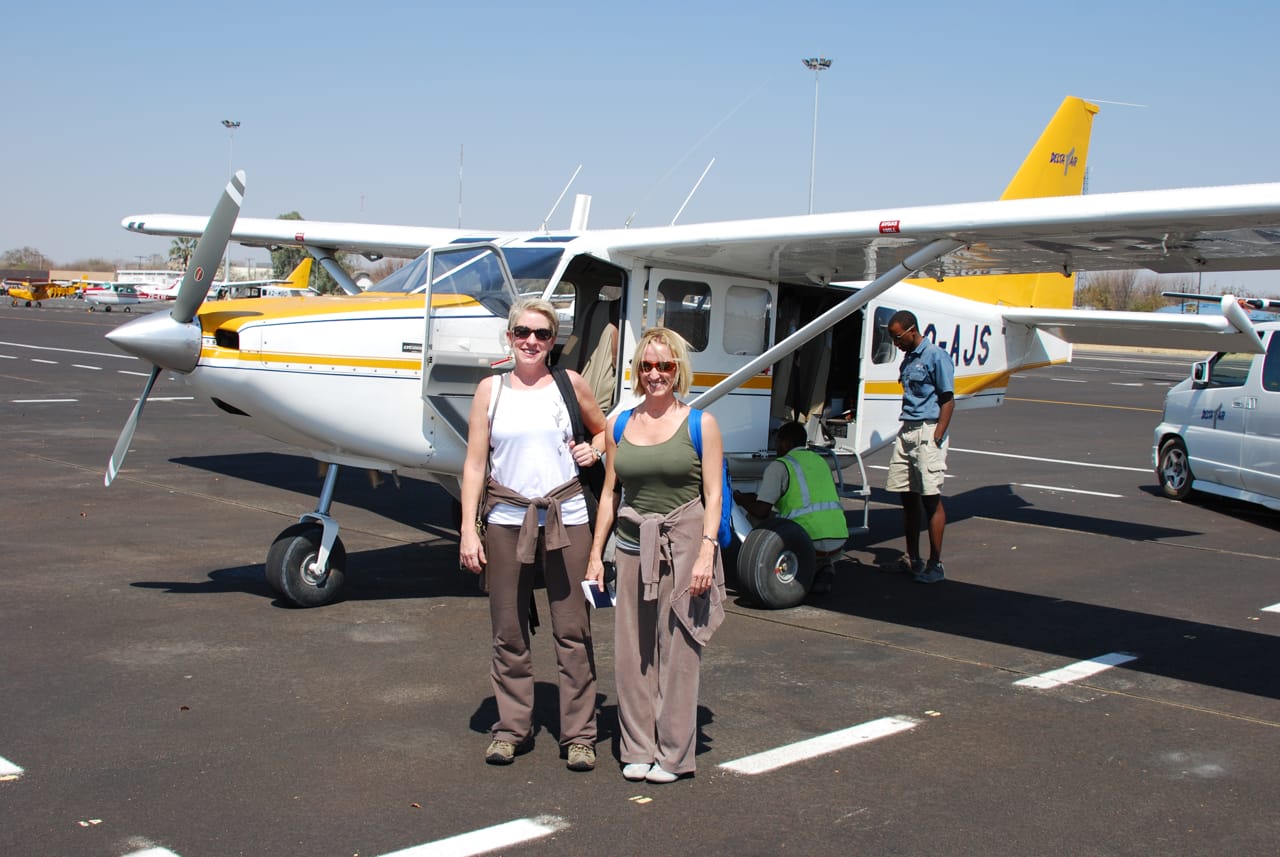
Boarding Area, Kwara Airstrip
Botswana
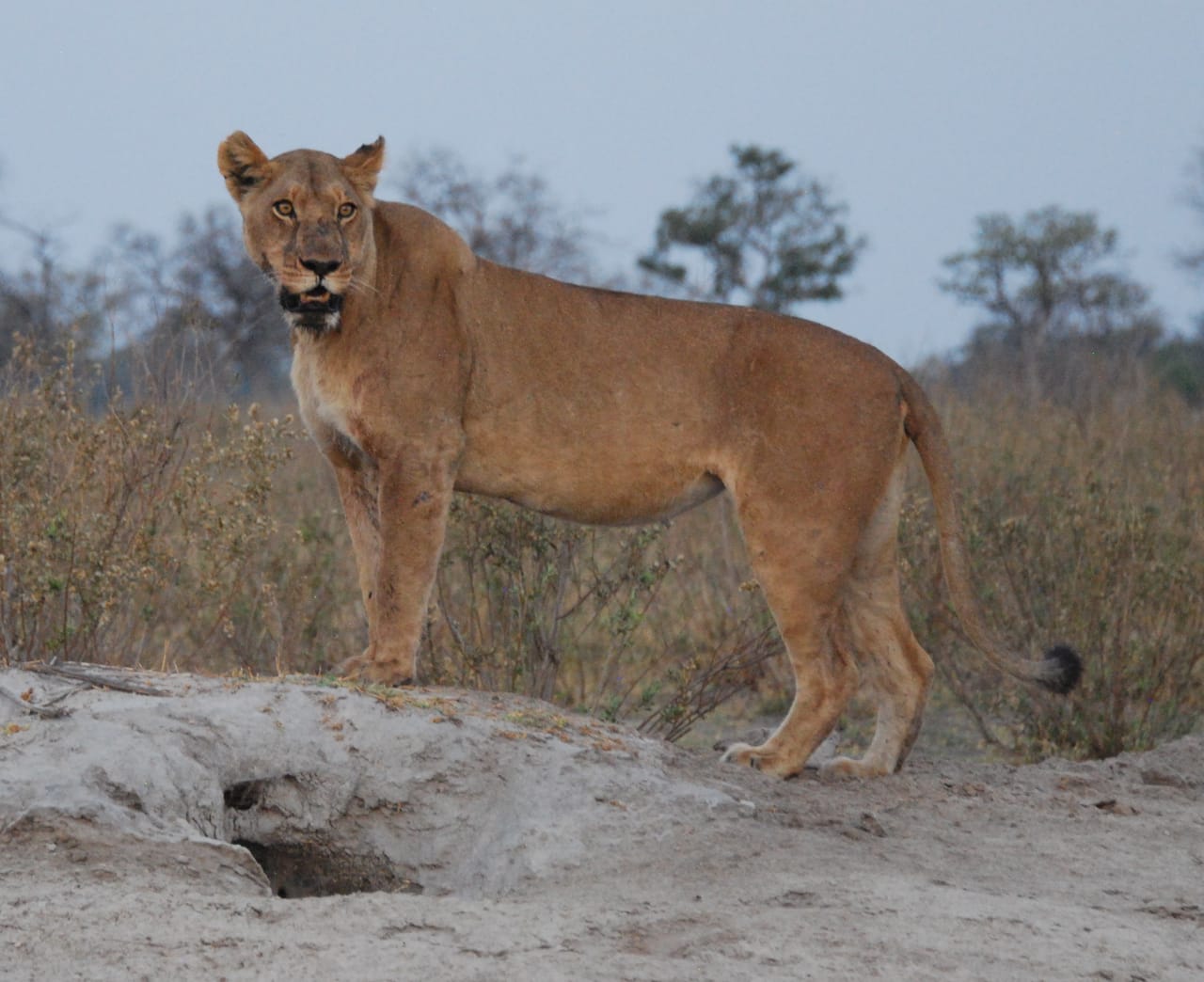
Female Lion
Botswana
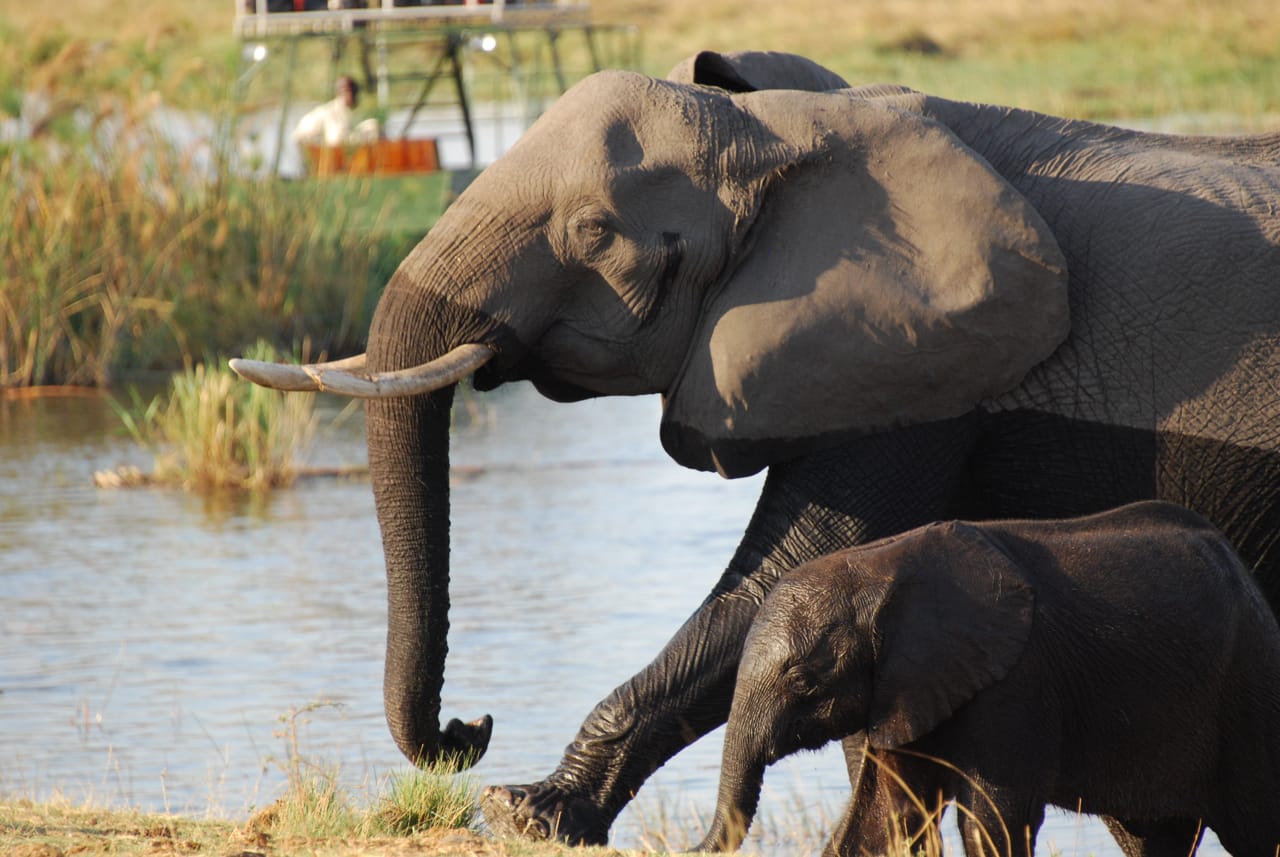
Mama Elephant with Baby
Okavango Delta, Botswana
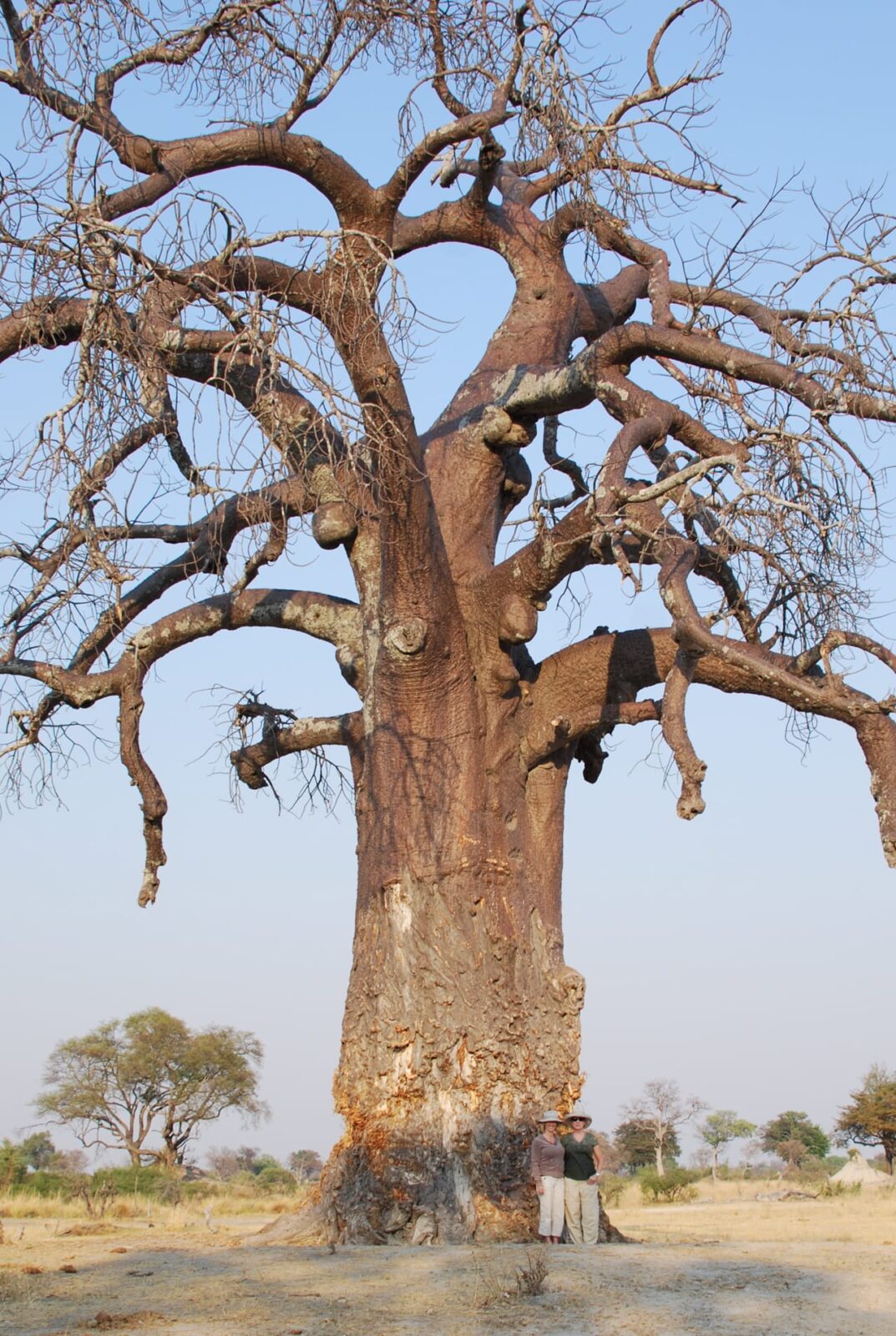
Sara and Jen by Baobab Tree, Botswana
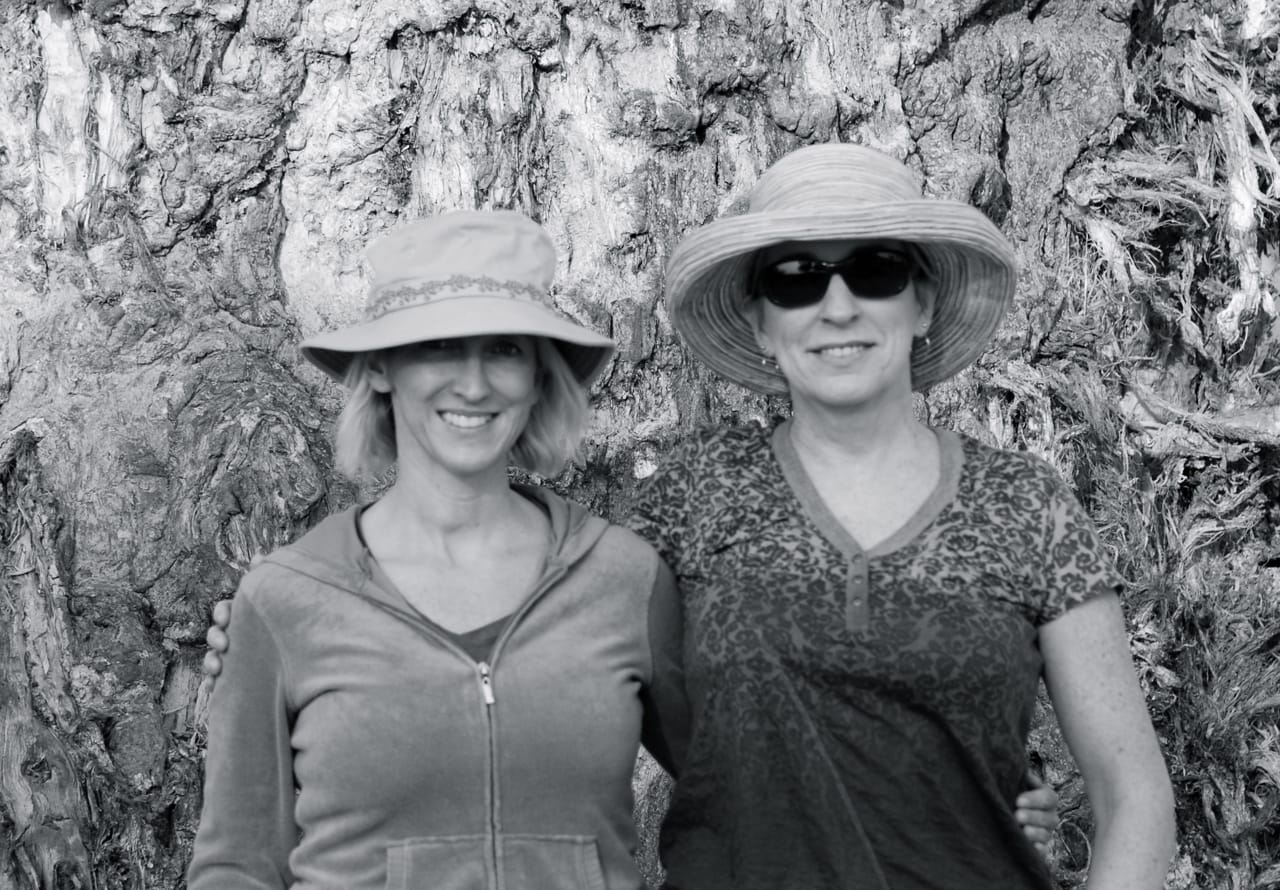
Sara and Jen, Botswana
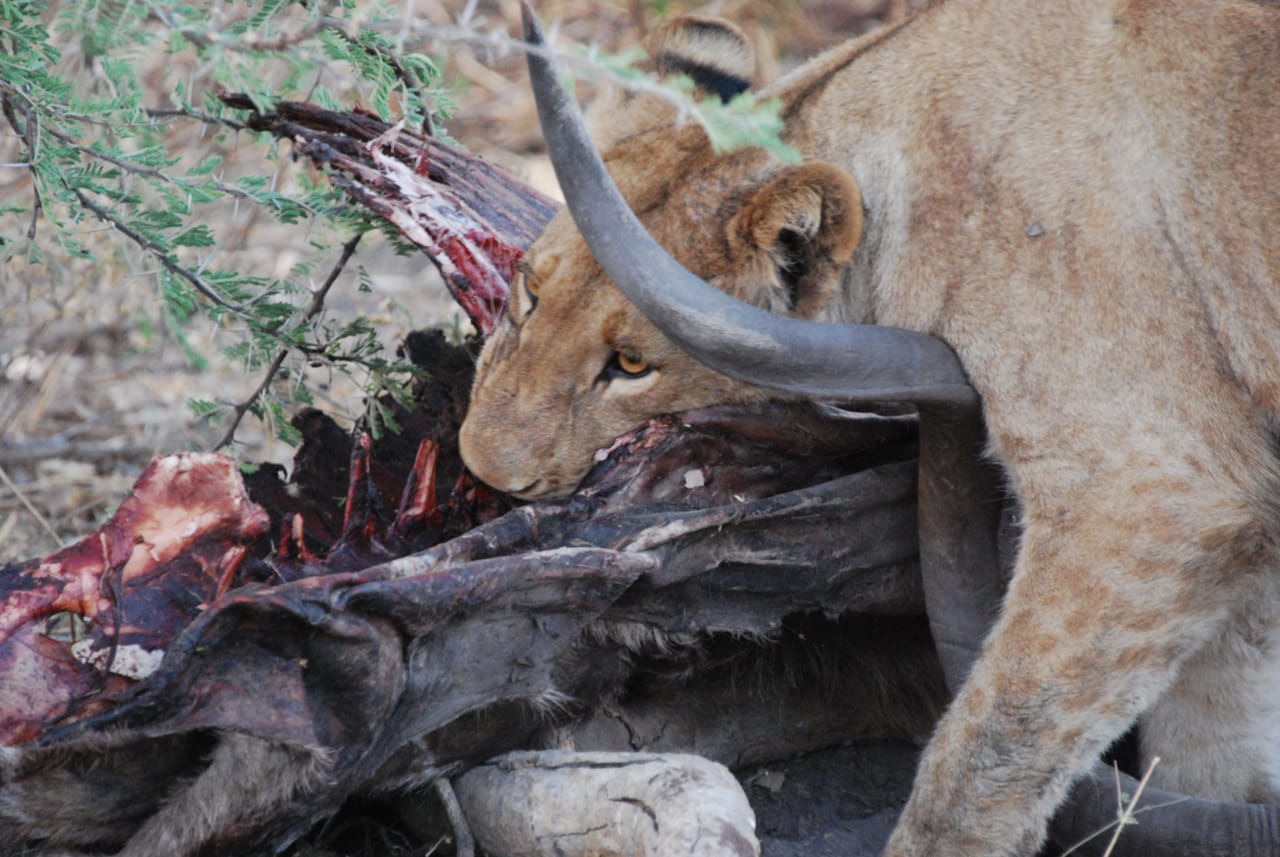
Lion With Kill
Botswana
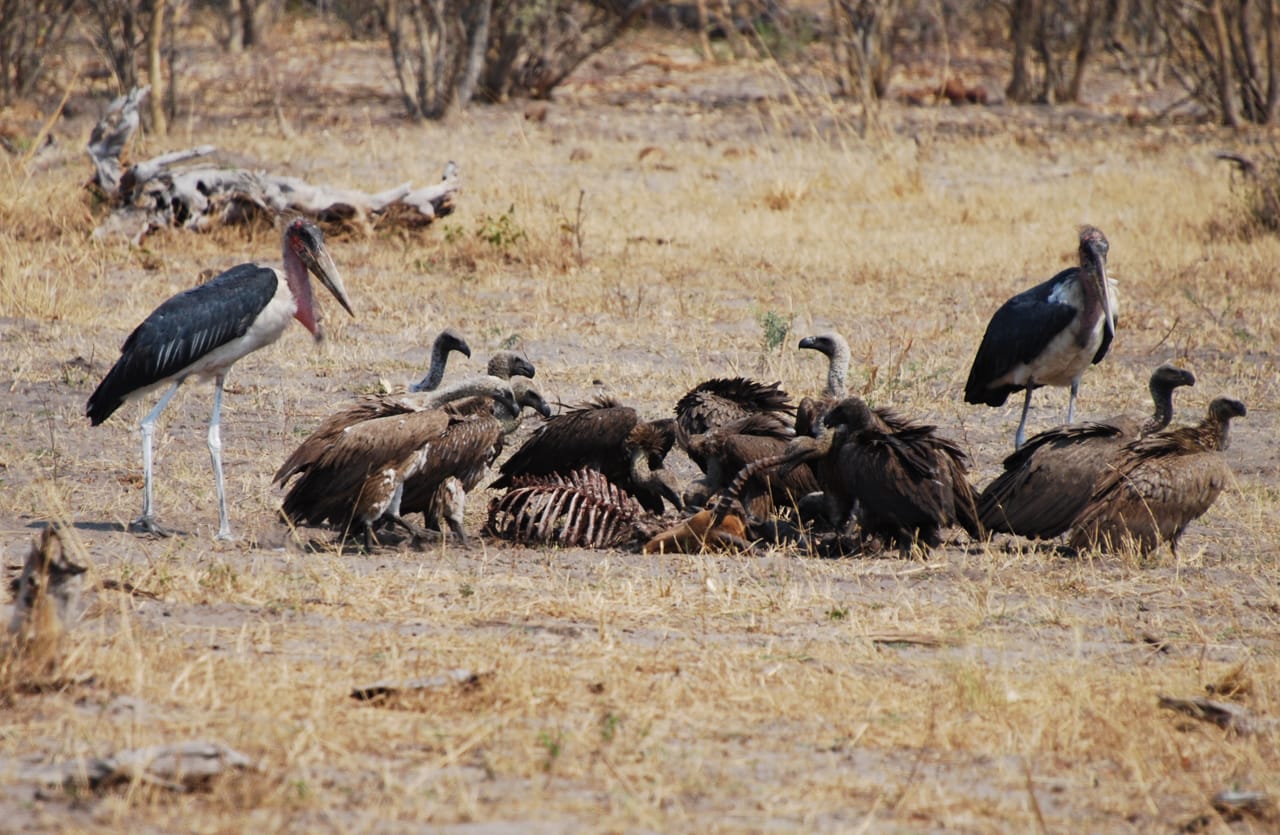
Carrion Birds with Kill
Botswana
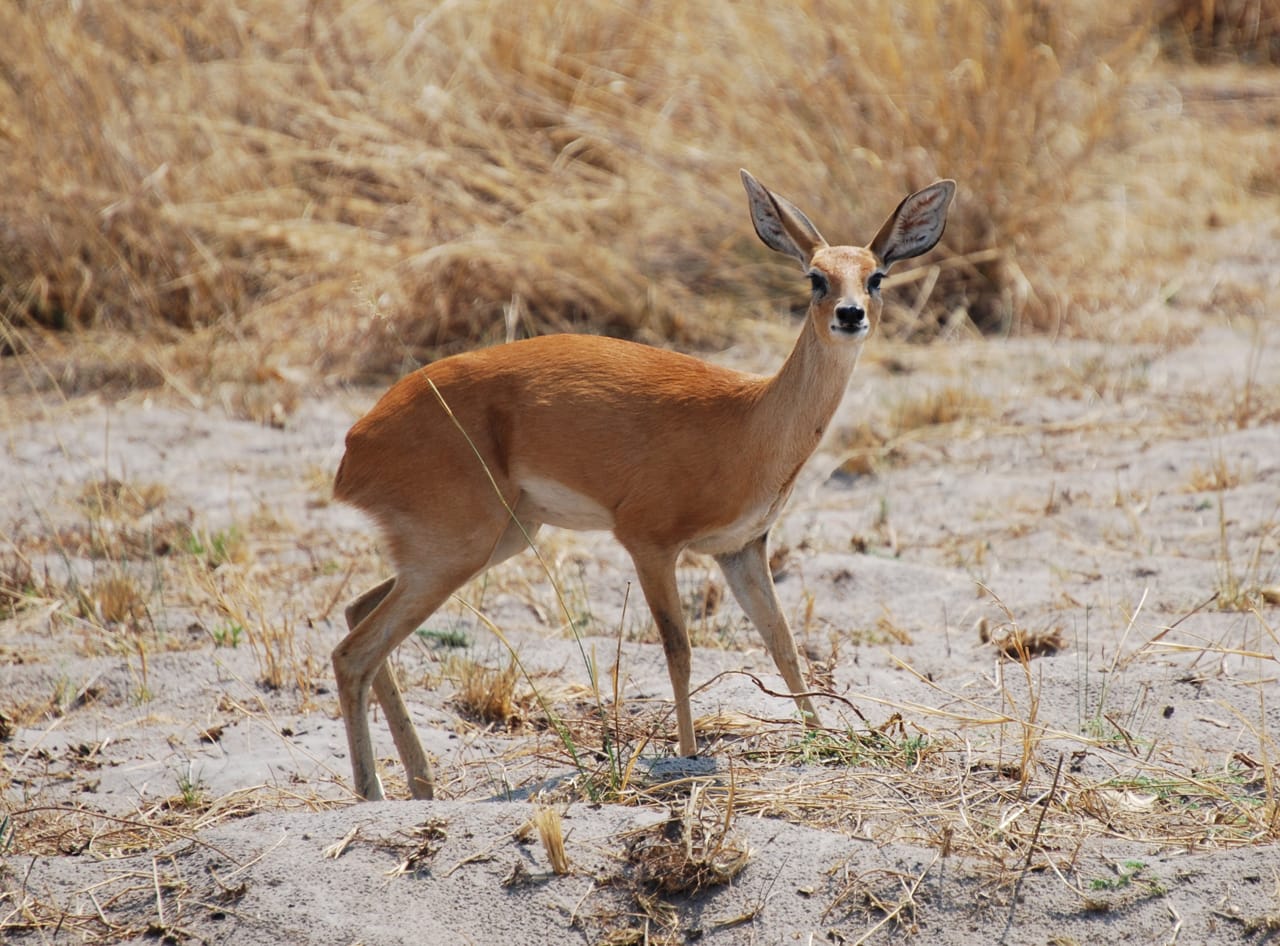
Startled Antelope
Botswana
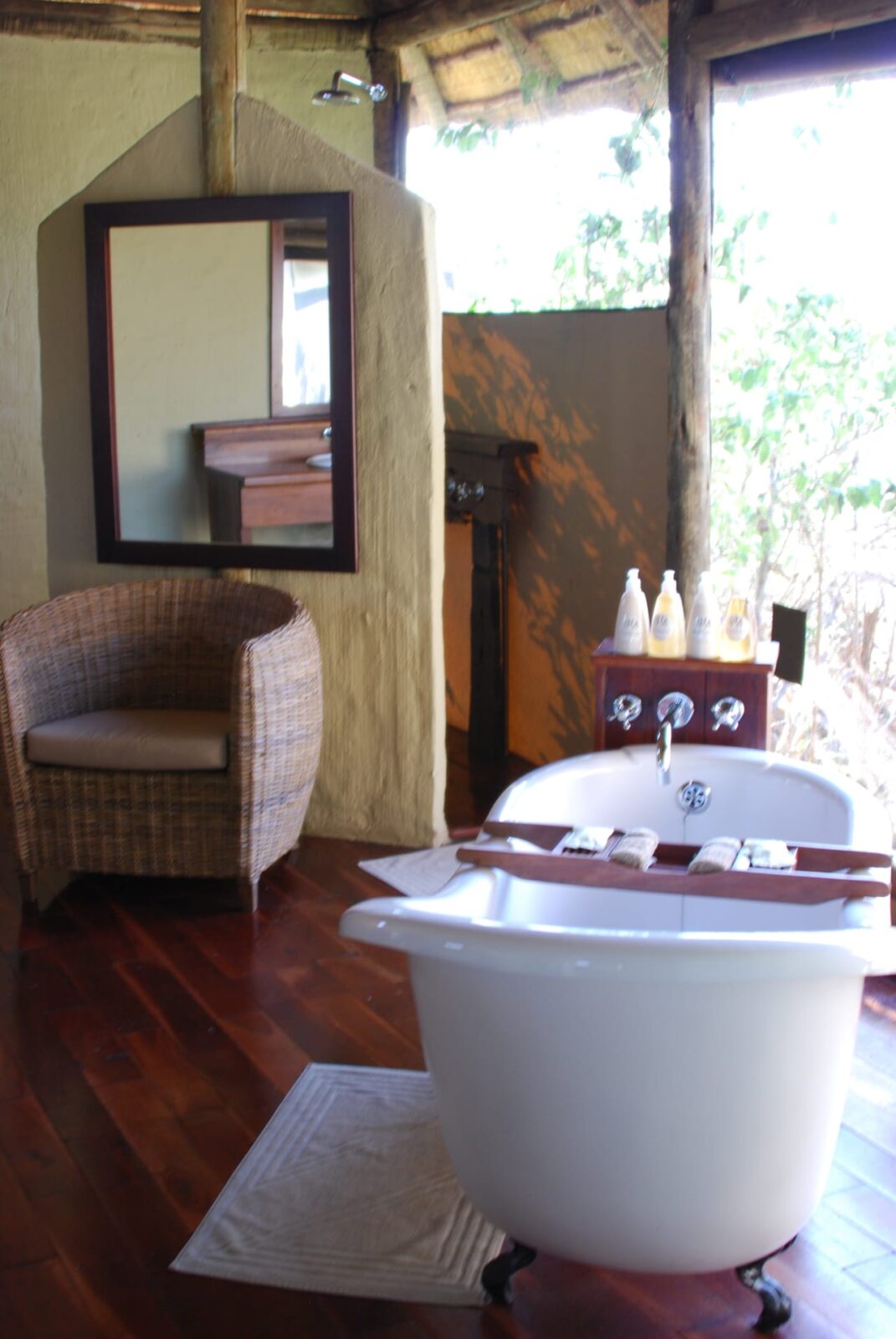
Bathroom in our Tent
Okavango Delta, Botswana
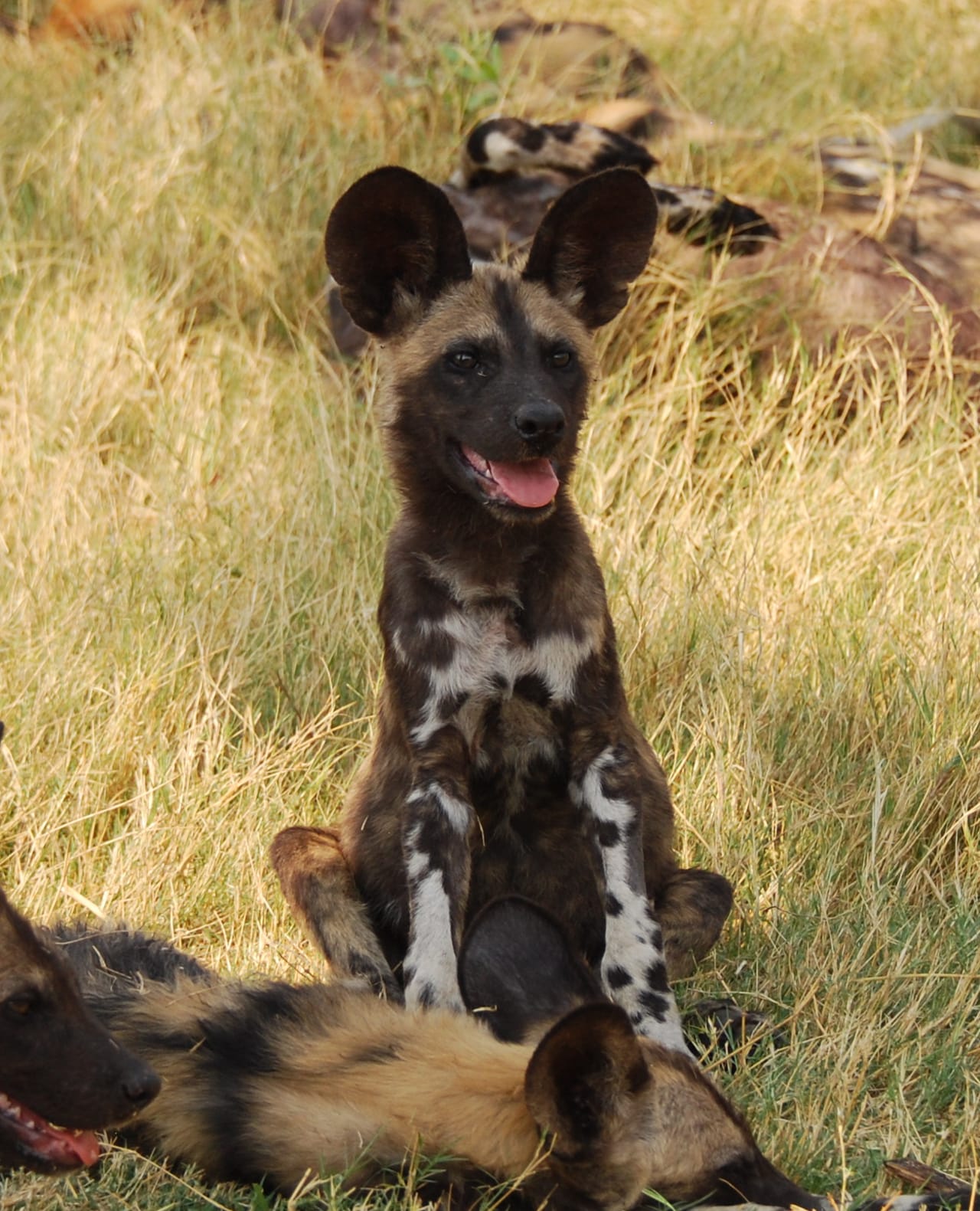
Wild Puppy
Botswana
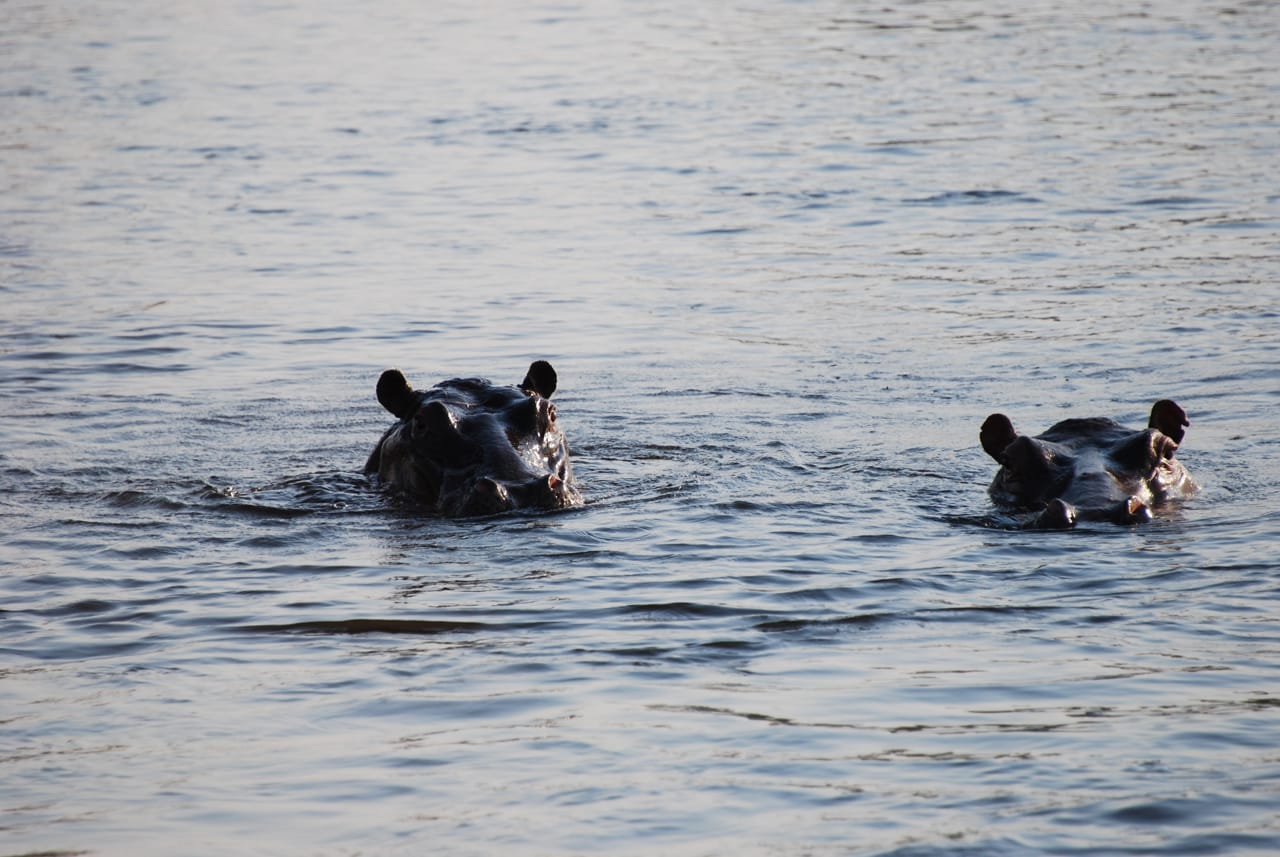
Hippos
Okavango Delta, Botswana
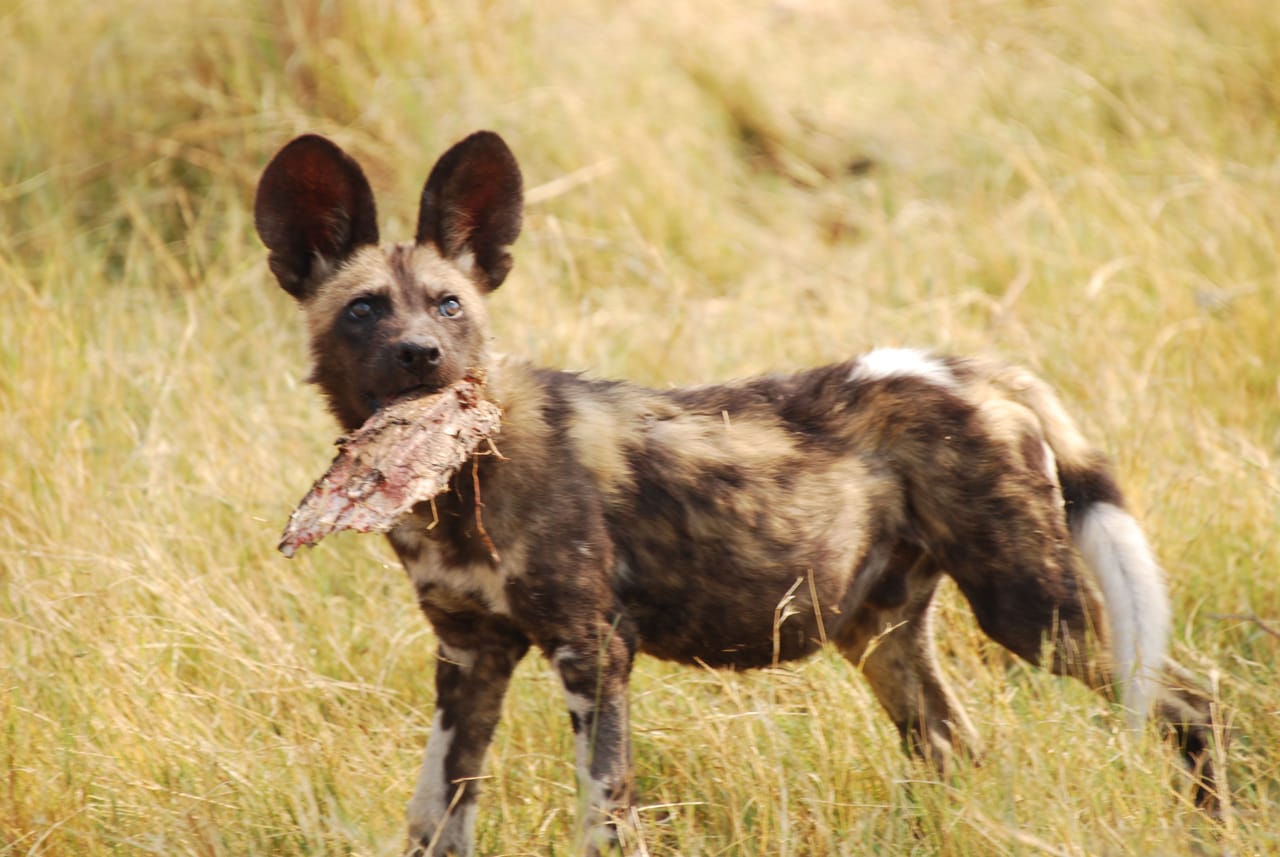
Wild Dog
Botswana
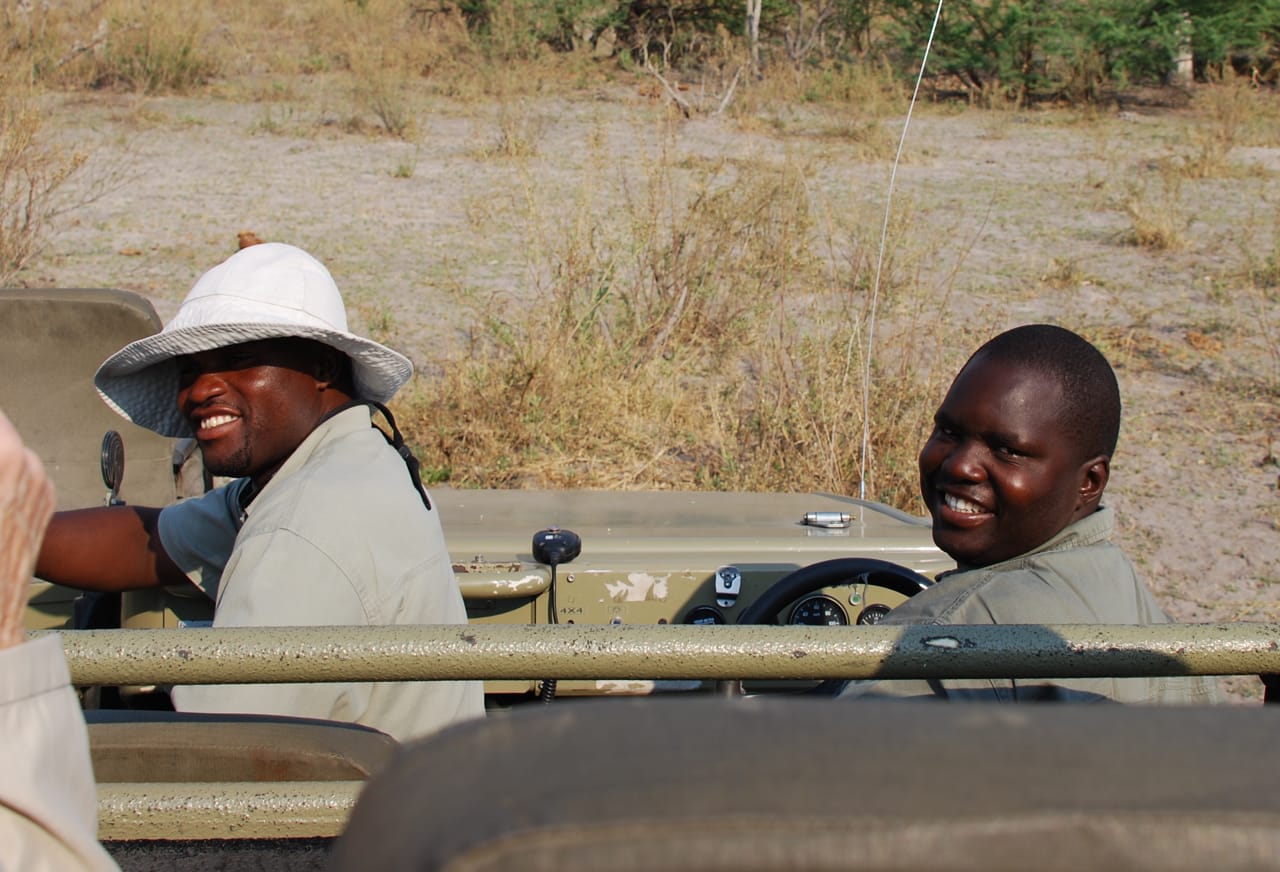
Our Guides, Paul and Petey
Lagoon Camp, Chobe National Park, Botswana
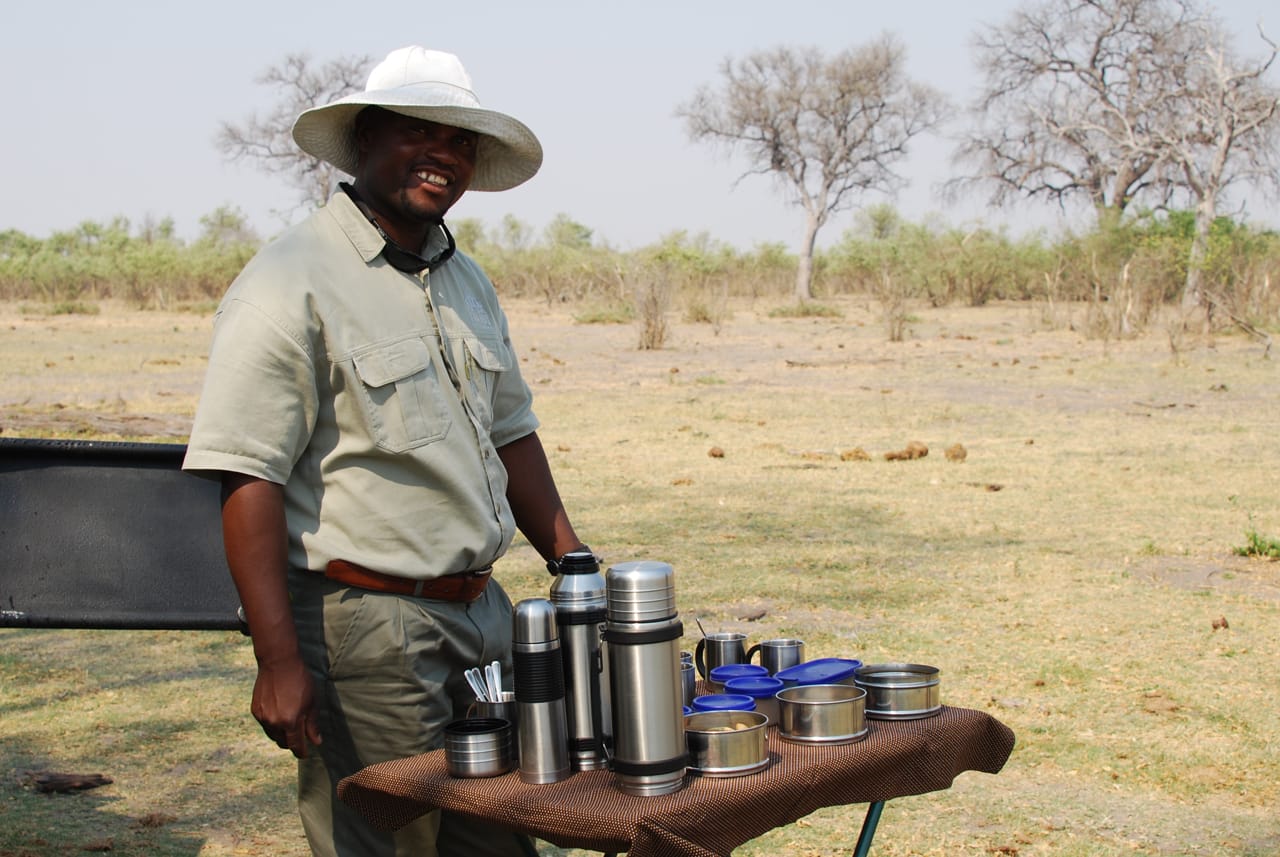
Breakfast in the Bush
Botswana
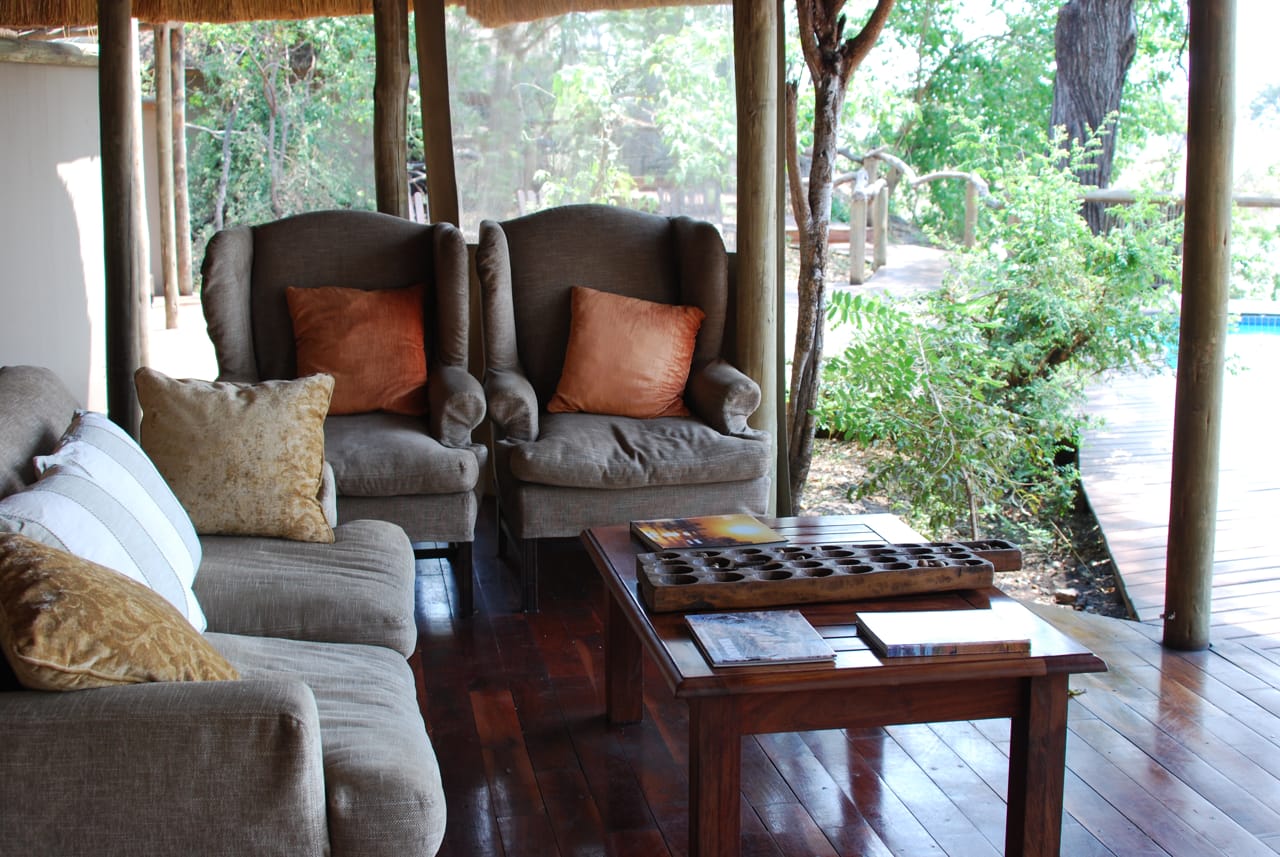
Common Area, Lagoon Camp
Chobe National Park, Botswana
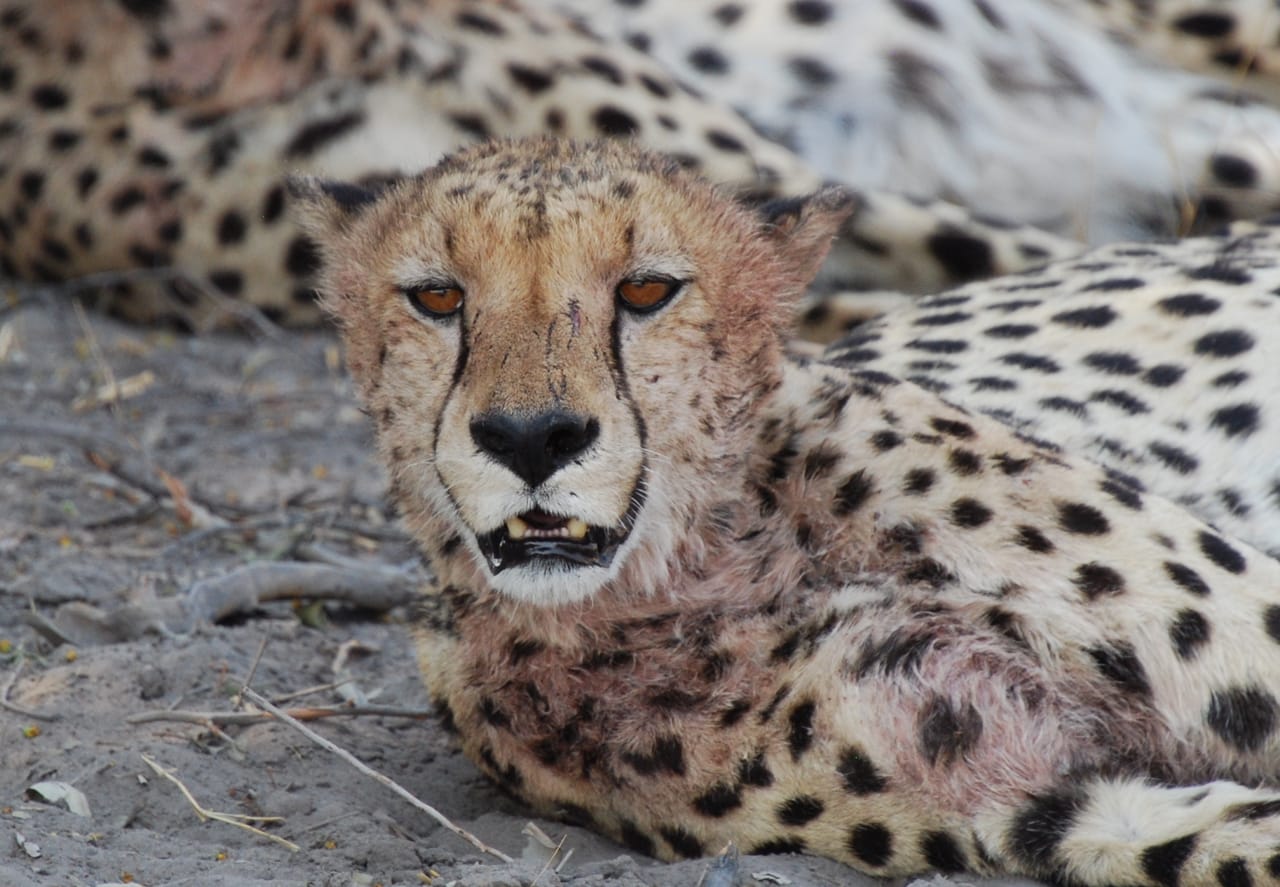
Cheetah, Botswana
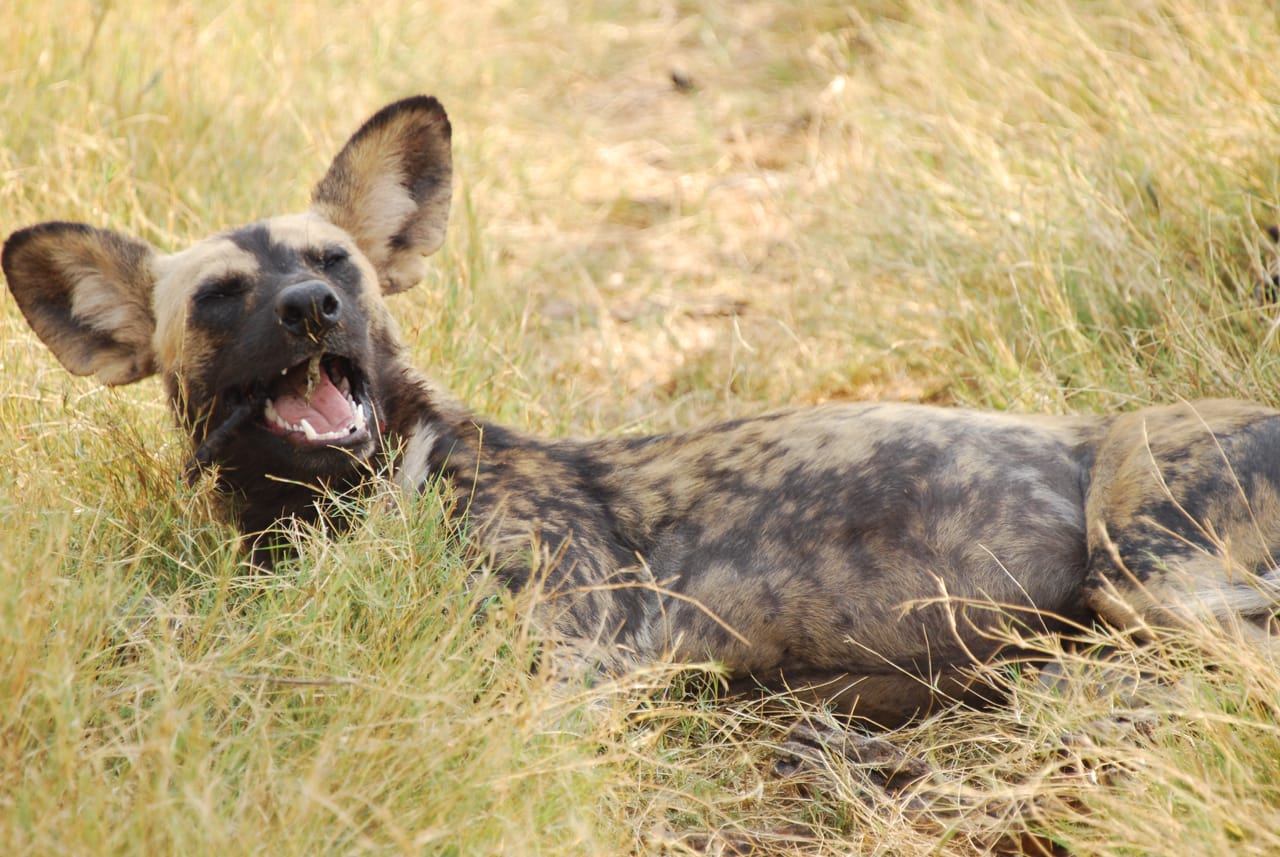
Wild Dog
Botswana
Recommended Reading
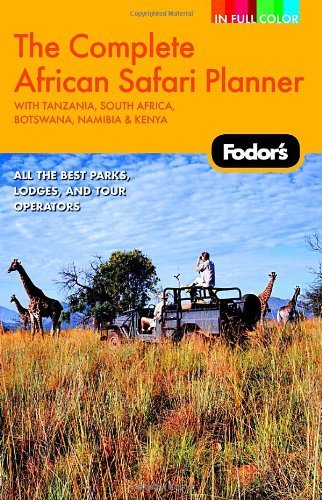
Fodor’s Complete Safari Planner
This guide is a great place to start when planning your safari in Tanzania, Kenya, South Africa, Botswana, or Namibia. Check Amazon for the latest edition!
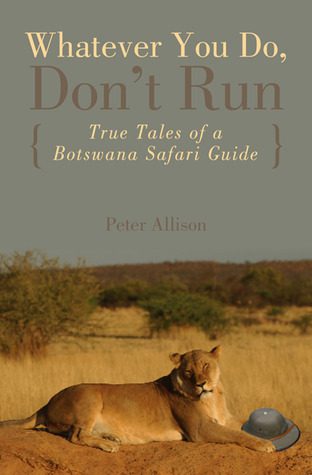
What Ever You Do Don’t Run
Tales of a Botswana Safari Guide
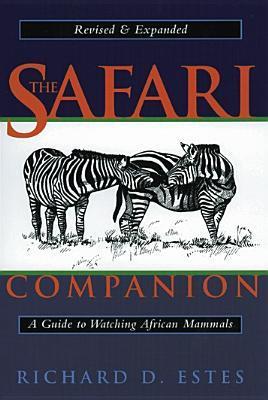
The Safari Companion
A massive tome with tons of great info for those who want to nerd out on the biology of ungulates, the mating habits of baboons, and the symbiotic relationships of zebra and wildebeest. I loved it. Some might prefer to use it as a reference, but I read it cover to cover!