
Zambia and Zimbabwe
After Botswana, Sara and I weren't quite finished with Africa. We had two nights left for Victoria Falls—and apparently decided to make them count.
We crossed the border by road and stayed at Ilala Lodge, a lovely little oasis near the Zambezi and within walking distance of Victoria Falls. We ate warthog at a restaurant called Mama Africa, wandered around Livingstone, and found ourselves surrounded by reminders of both the exploration and colonization of Africa.
Walking through the old colonial hotels made me think about exploration itself. Not the old Eurocentric idea that these places were somehow “discovered” when Europeans arrived—people had lived here, traveled here, named these places, and understood this landscape for generations—but what it must actually have been like to leave home and travel into a world completely unknown to you.
Months aboard a ship. Weeks traveling overland. No airplanes, GPS, weather forecasts, or instant communication. No real certainty about what you would encounter—or even when you would get home.
We call ourselves adventurous travelers now, but really, we have it pretty easy. I can fly across an ocean overnight, sleep in a lie-flat seat, land on another continent, and have someone waiting with my name on a sign. Even our ships are essentially floating resorts.
Standing there, I couldn't help wondering what it must have felt like for an outsider to see something as enormous as Victoria Falls for the first time—and then somehow try to explain it to people back home.
And then we saw it ourselves.
We explored Victoria Falls on foot, following trails along the gorge and watching the Zambezi simply disappear over the edge. But apparently looking at one of the world's great waterfalls from solid ground wasn't quite enough for us.
We took a boat across the Zambezi to a small piece of land near the edge of the falls. Then we got into the river.
This still seems insane when I write it.
With guides leading us, we made our way through the water to Devil's Pool, a natural swimming hole right at the edge of Victoria Falls. We inched closer and closer until we reached the rock ledge at the brink. Then we stretched out on our stomachs while a guide held our feet and looked straight down over the edge.
There are certain travel experiences that make perfect sense when you're booking them and considerably less sense when you're actually doing them.
This was one of those.
Later, we experienced the Zambezi from a much more civilized perspective on a sunset dinner cruise, watching the sky change over the river while hippos surfaced and crocodiles lurked in the water below—the same river we'd voluntarily climbed into earlier.
And because apparently we'd decided that two nights at Victoria Falls should contain as many questionable decisions as possible, we also took ultralight flights with Batoka Sky.
From the air, the scale of the falls finally made sense.
Below us, the Zambezi spread across the landscape before suddenly dropping into the gorge, mist rising from the enormous crack in the earth. After seeing the falls from the trails, from the river, and literally from its edge, we were now looking down on the whole thing from tiny aircraft in the African sky.
There was something about this corner of Zambia and Zimbabwe that felt different from the Africa I'd experienced before. Less polished. More elemental. The enormous river, the roar and spray of the falls, hippos and crocodiles below us, and that constant sense that the landscape was considerably more powerful than we were.
We were there for only two nights.
Somehow, that was enough time to get into the Zambezi, hang over the edge of Victoria Falls, eat a warthog, fly over the falls in an ultralight, and leave with another piece of Africa permanently lodged in my memory.
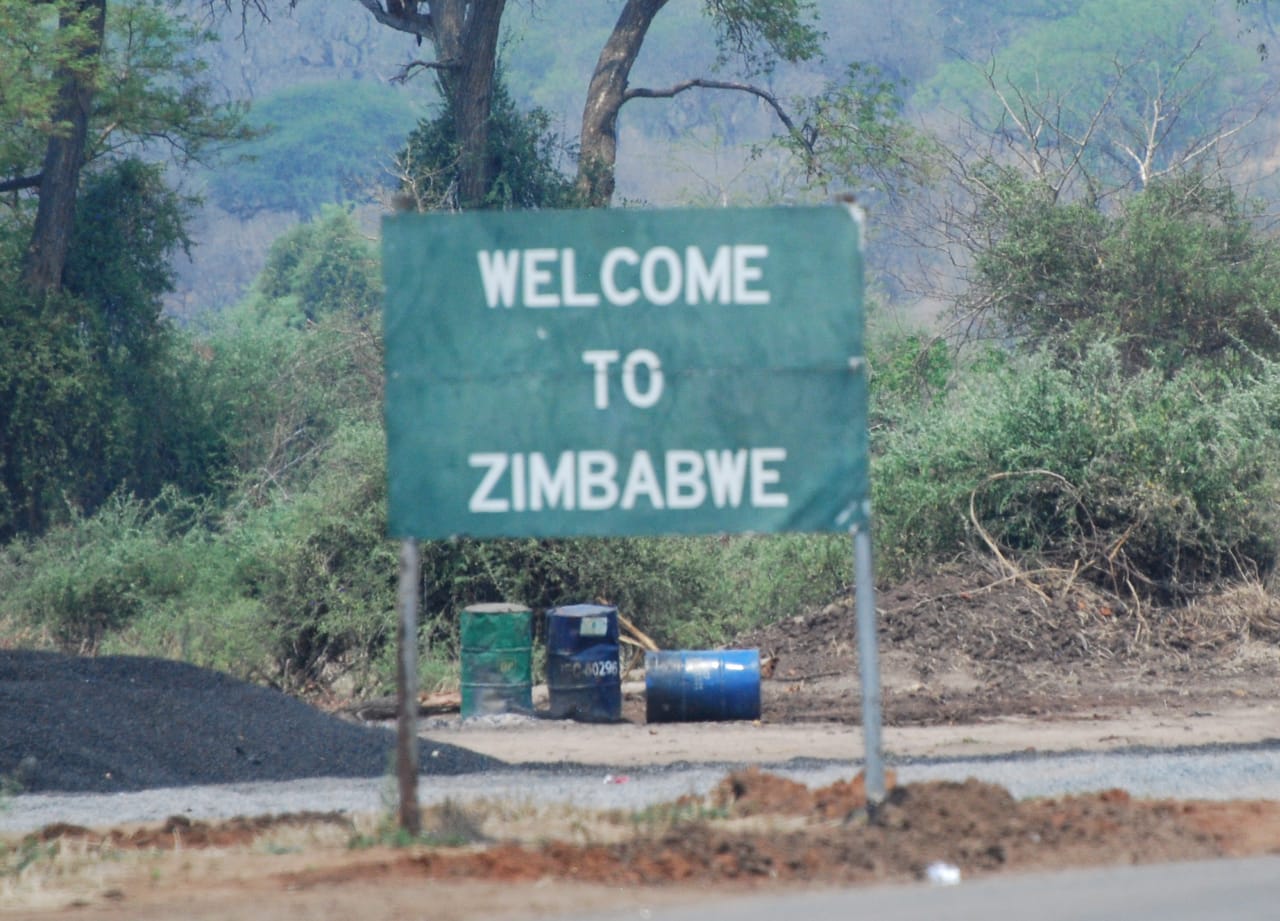
Welcome to Zimbabwe Sign
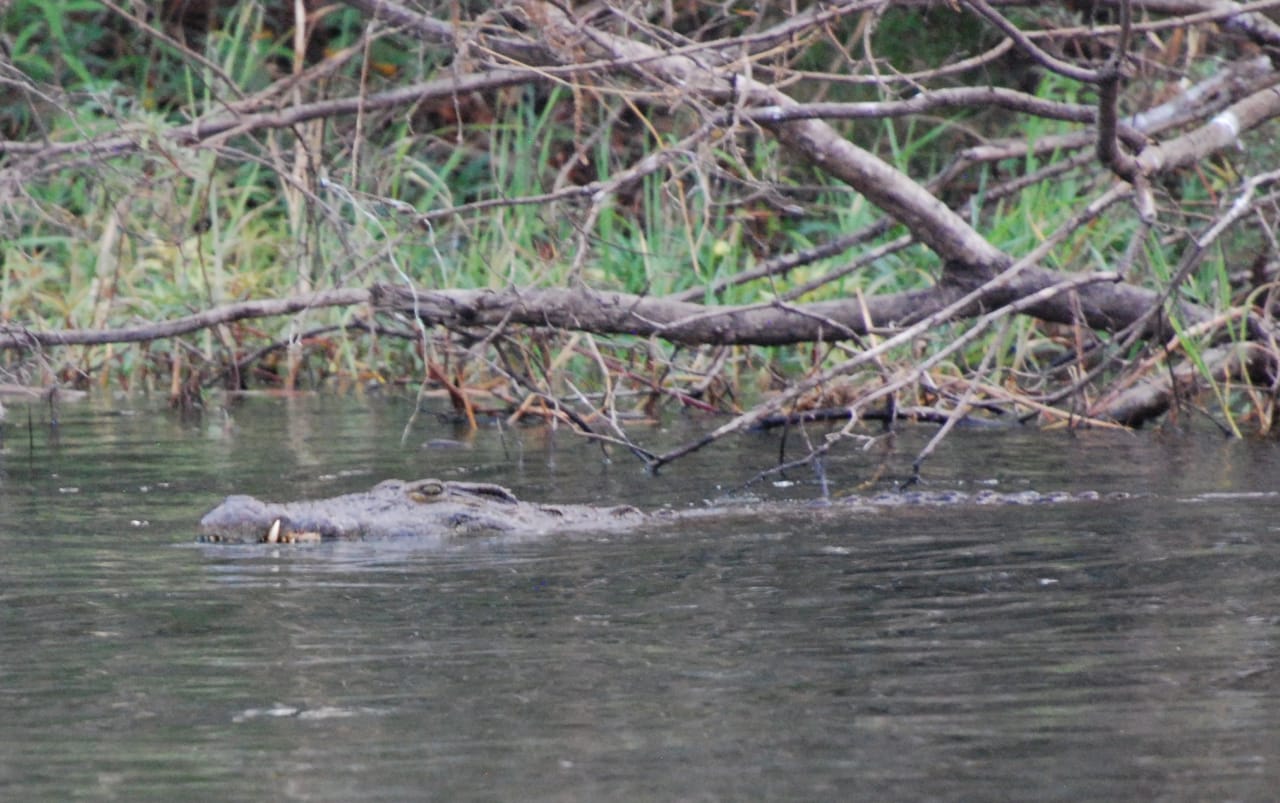
Crocodile in the Zambezi River
Zimbabwe
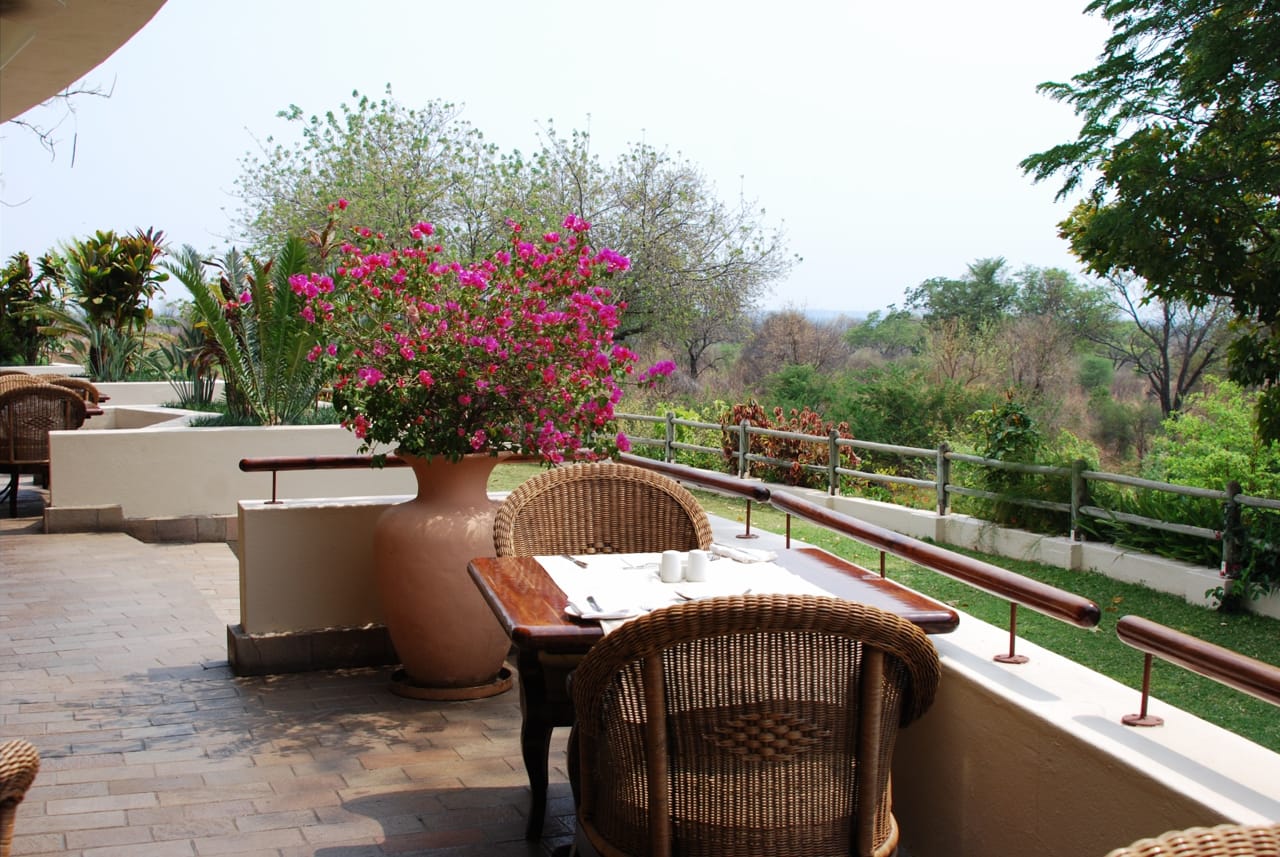
Dining at Ilala Lodge
Victoria Falls, Zimbabwe
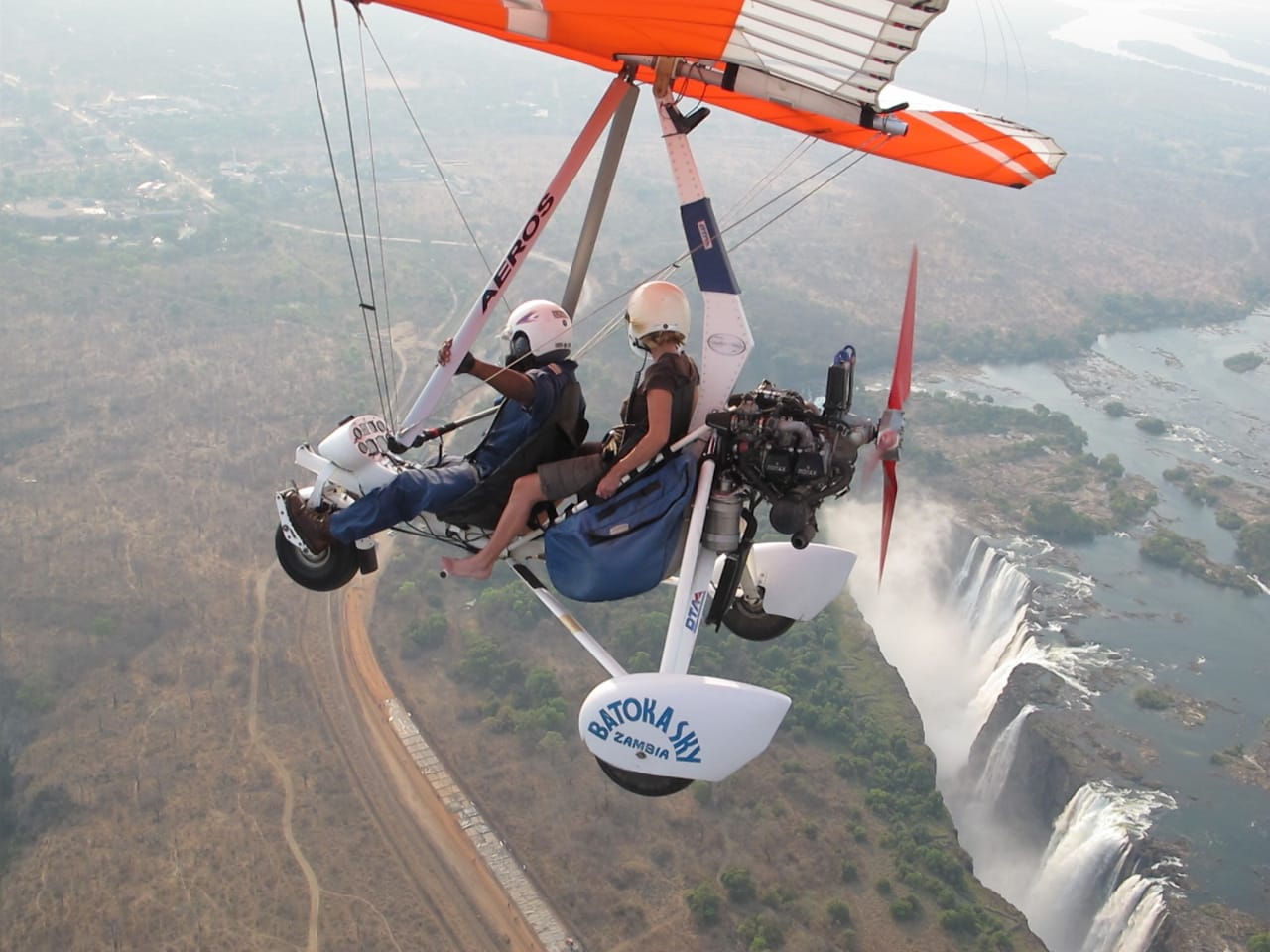
Ultralight Over Victoria Falls
Batoka Sky, Zambia
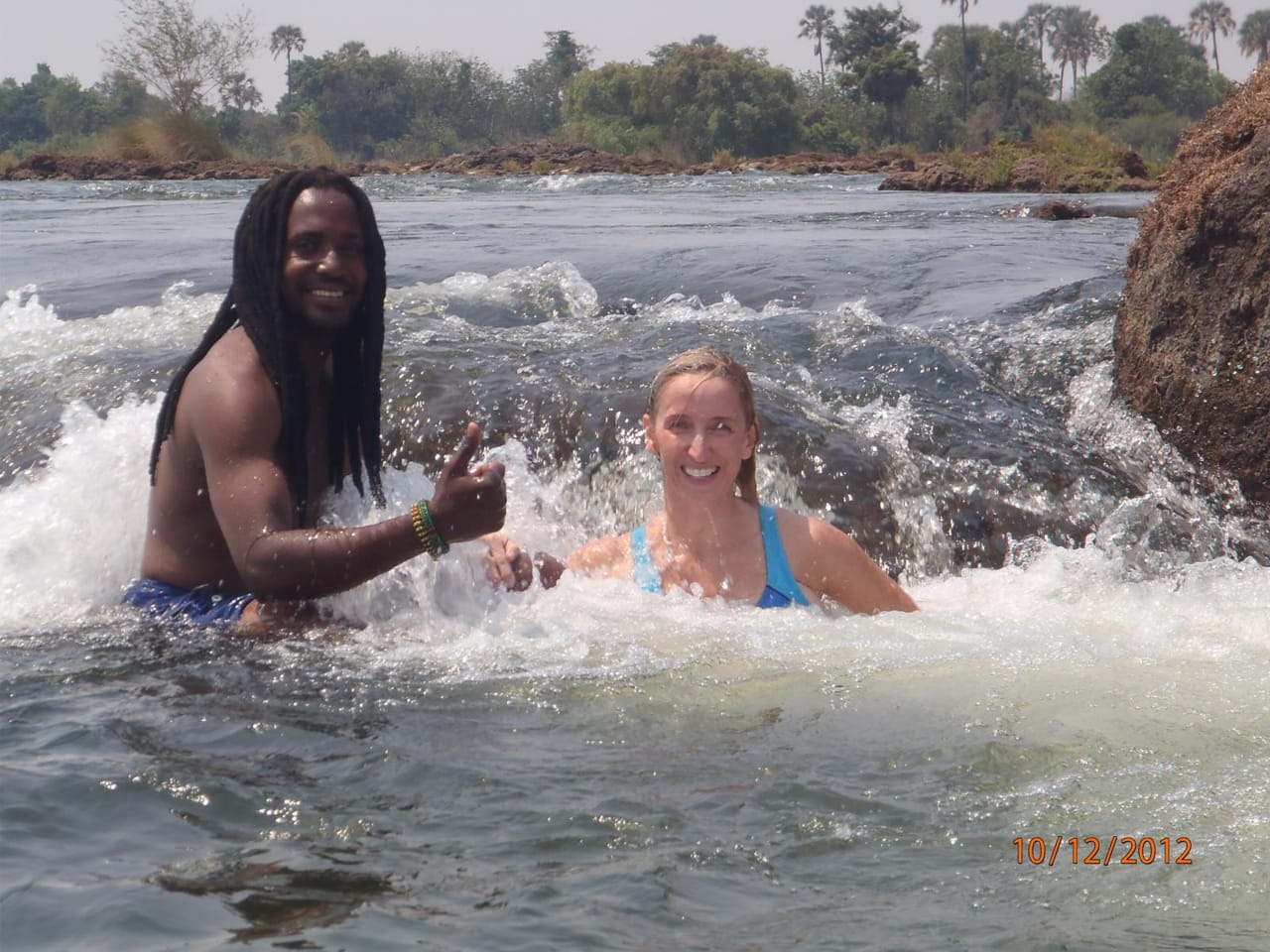
Devil’s Pool at Victoria Falls
Zambezi River, Zambia
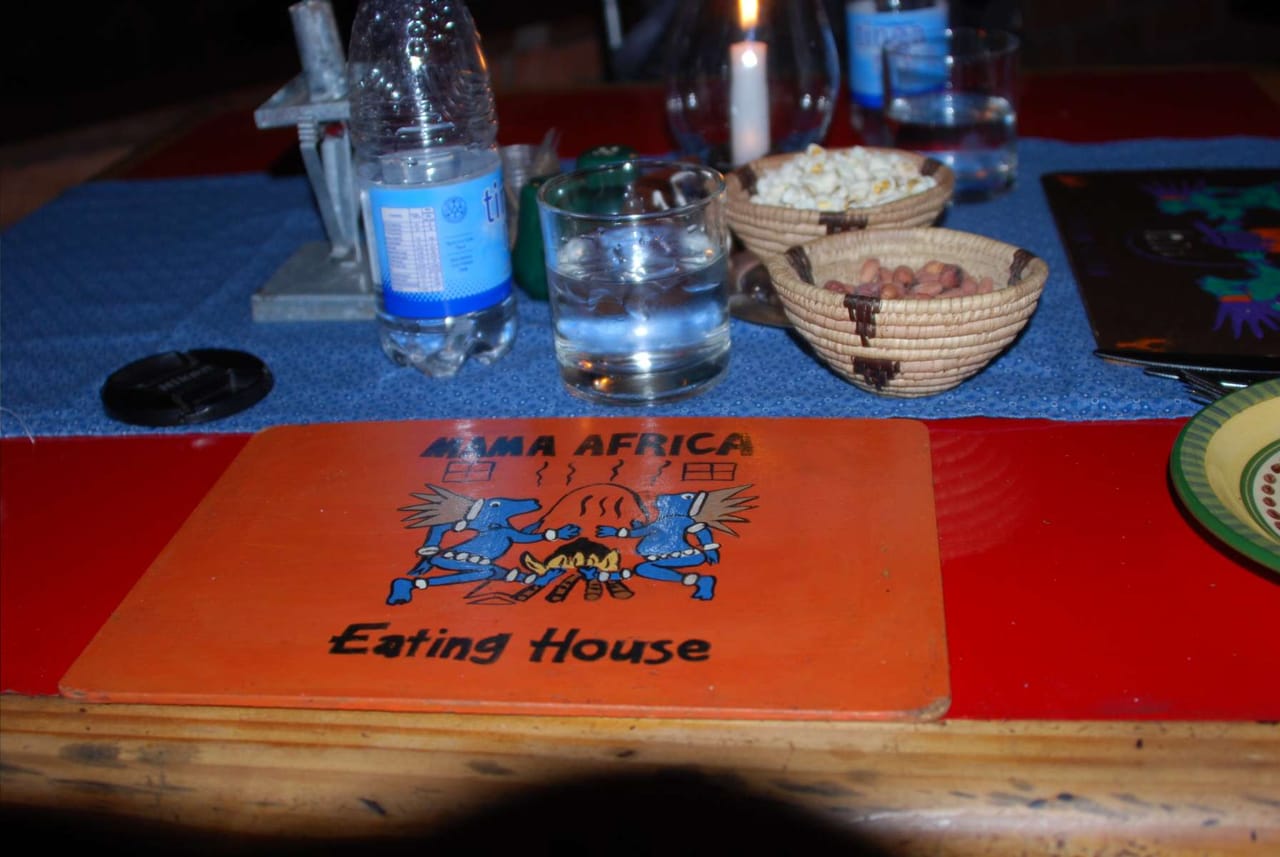
Mama Africa Eating House
Victoria Falls, Zimbabwe
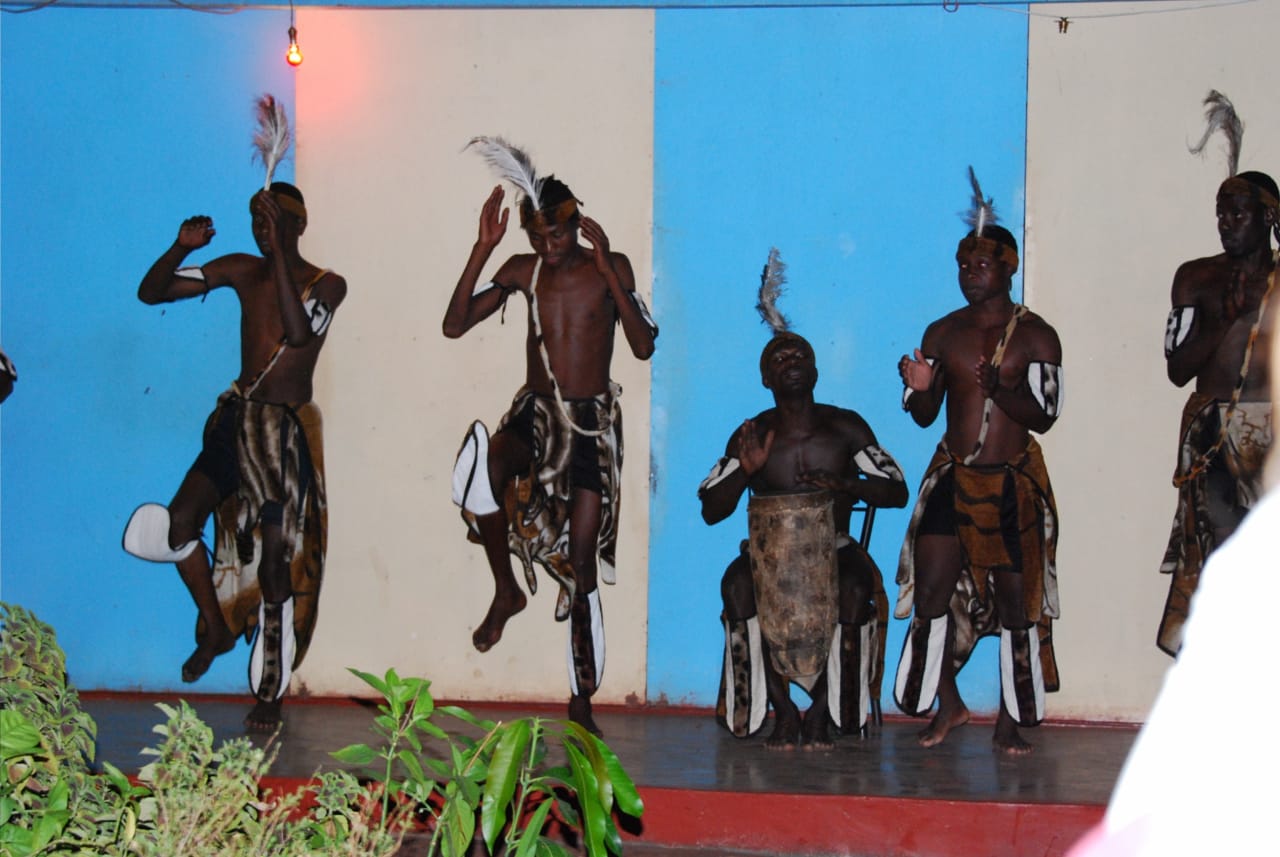
Entertainment at Mama Africa Eating House
Victoria Falls, Zimbabwe
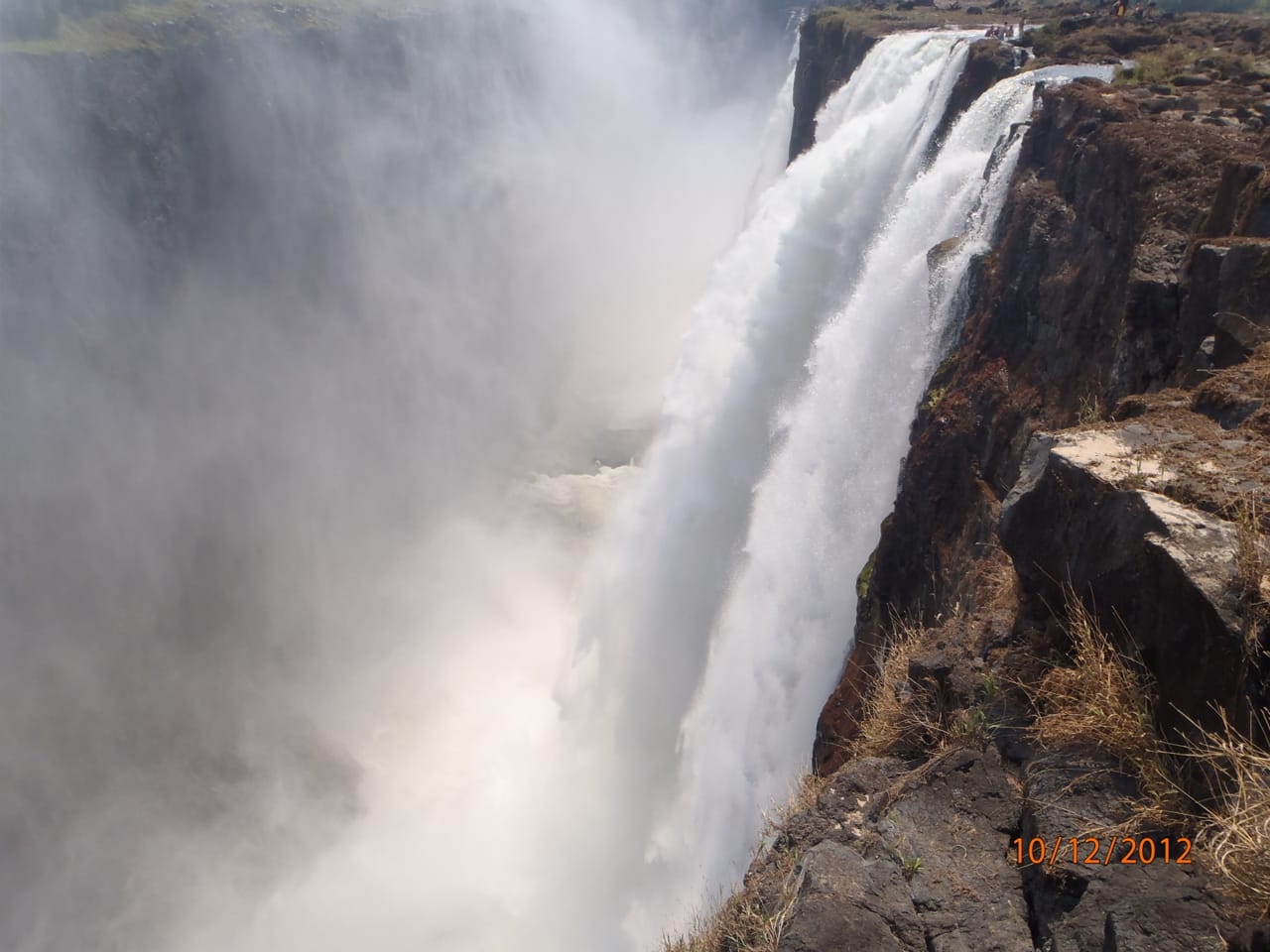
Victoria Falls
Zambezi River
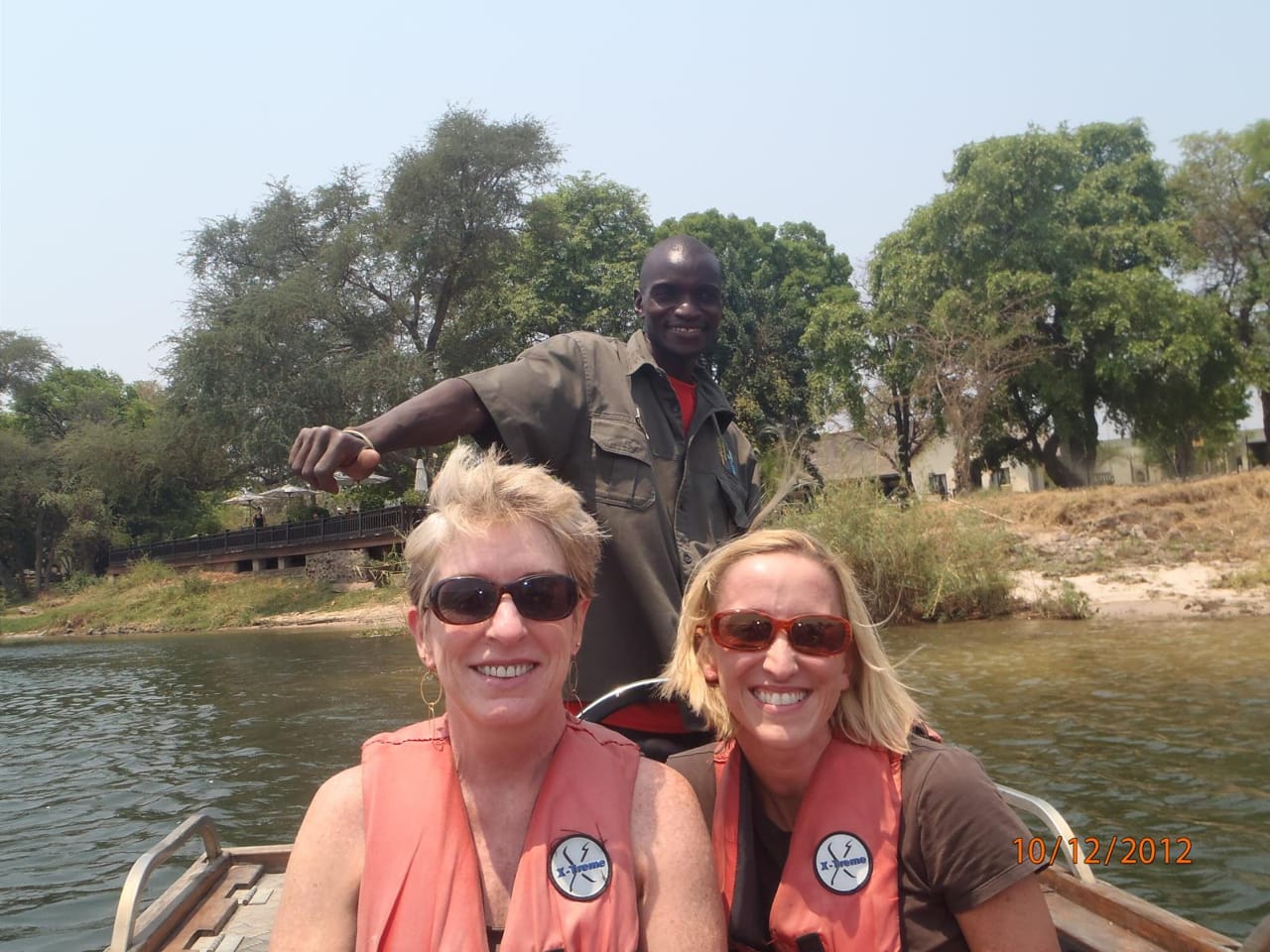
On the Zambezi River
Boat to the Devil’s Pool
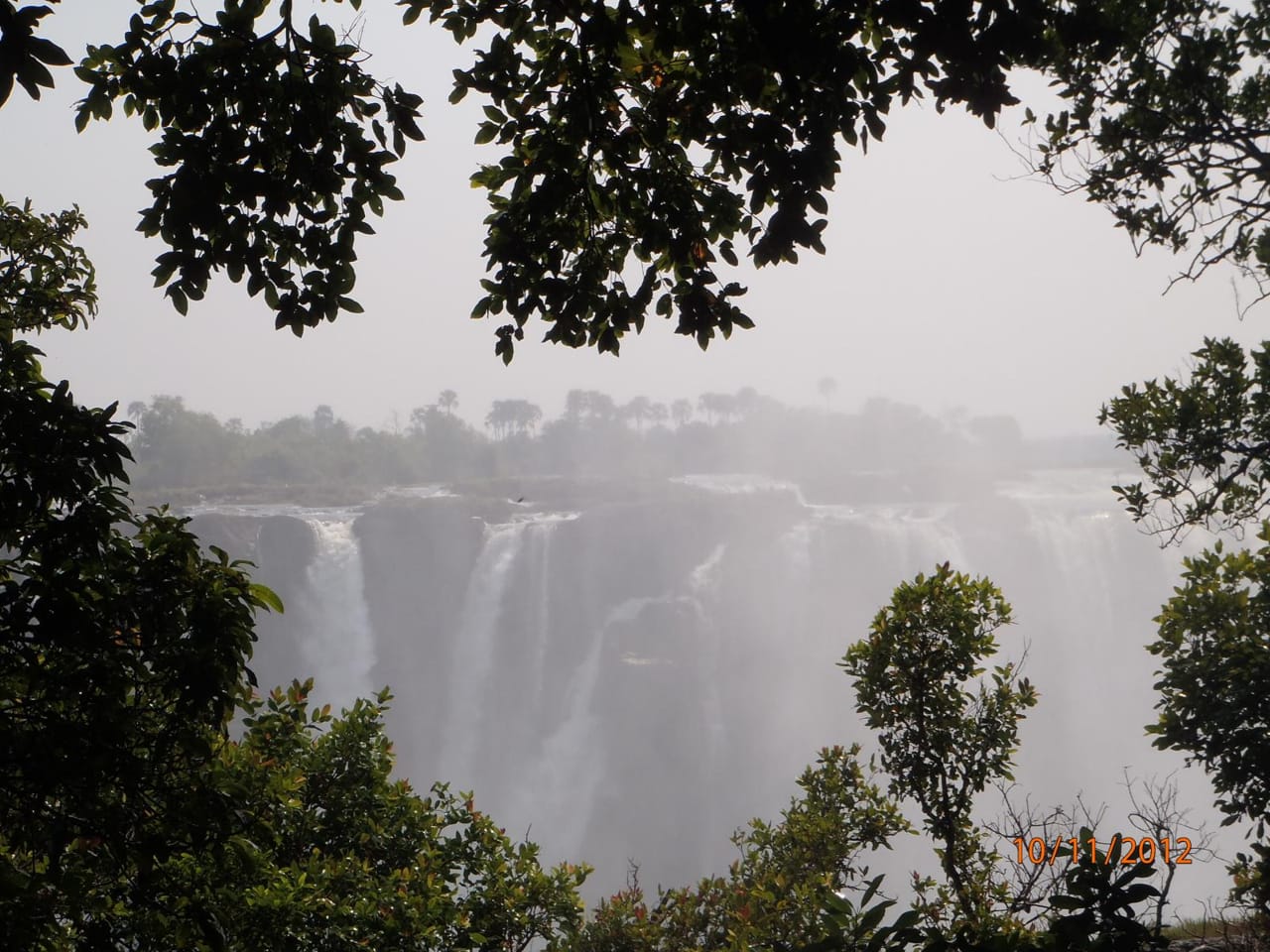
Victoria Falls, Zimbabwe
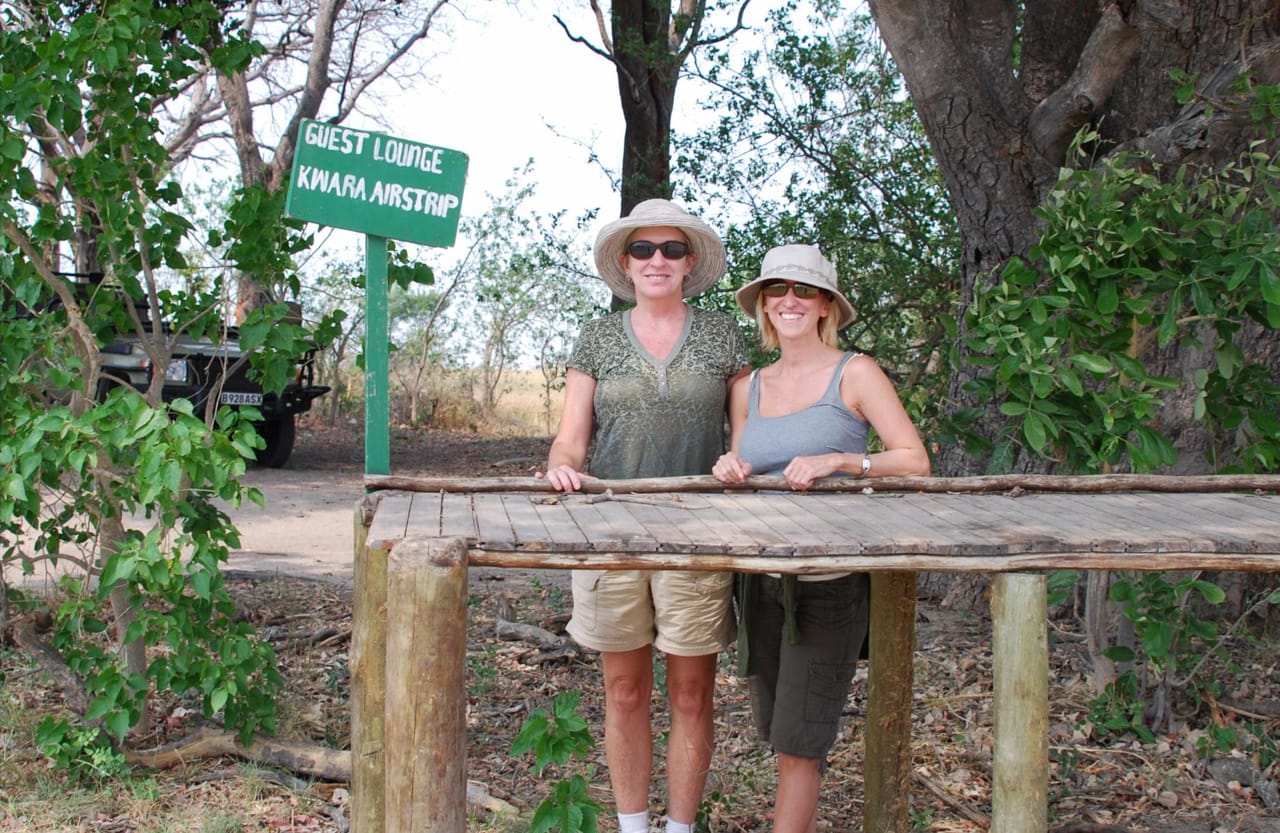
“Airport” in Botswana
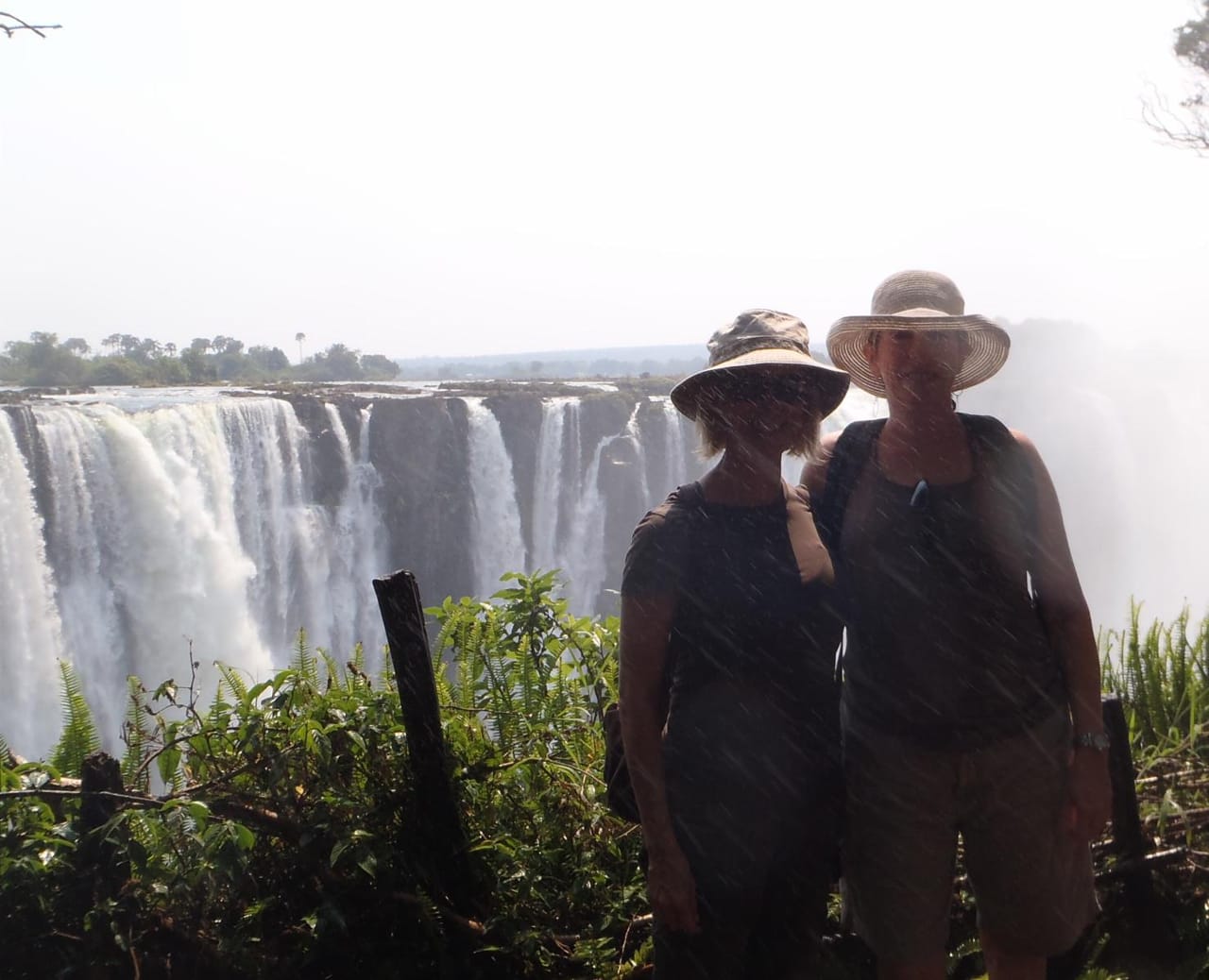
Victoria Falls, Zimbabwe
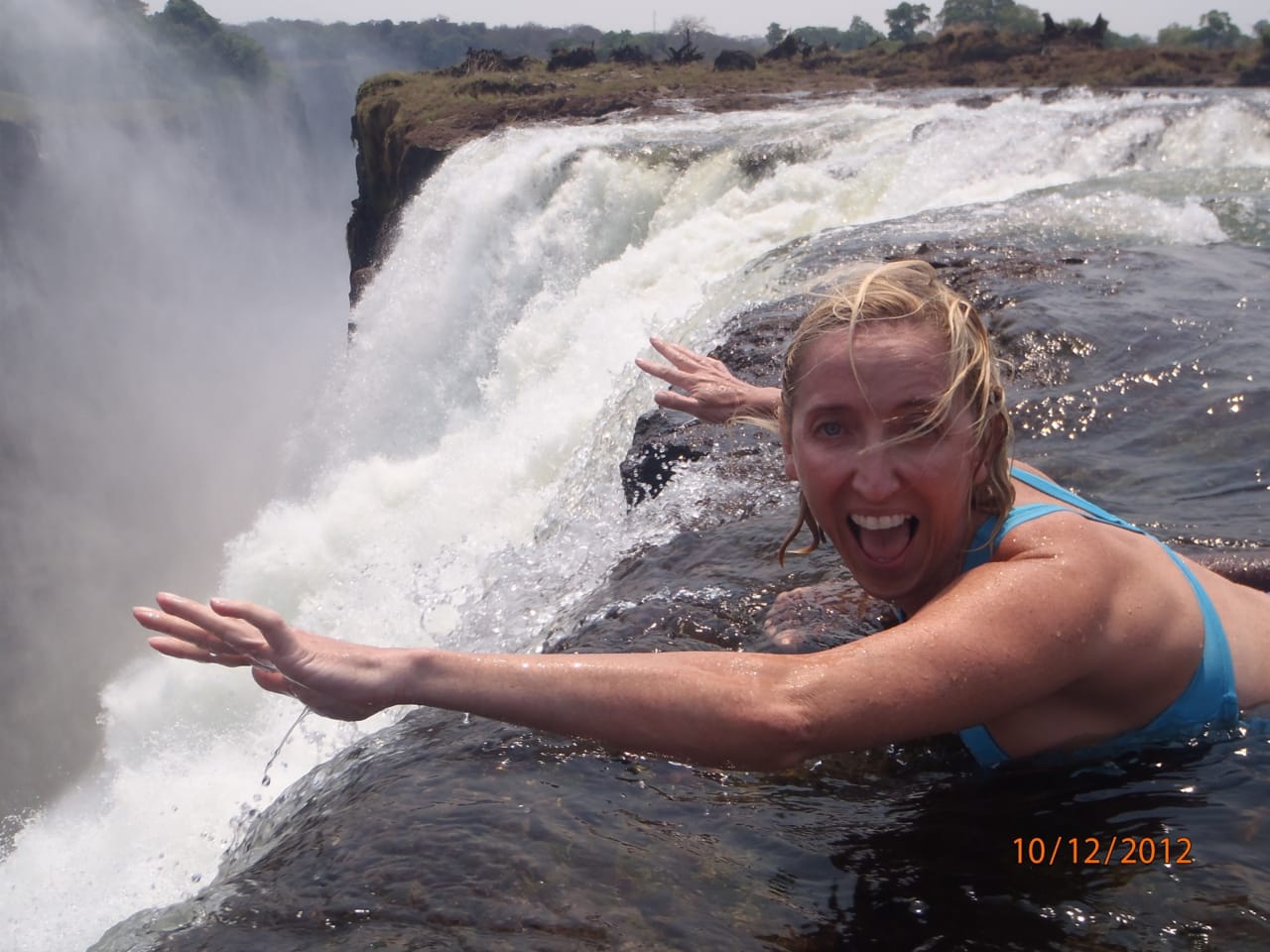
Devil’s Pool, Zambia
The world’s most amazing infinity pool!
Ilala Lodge
Victoria Falls, Zimbabwe
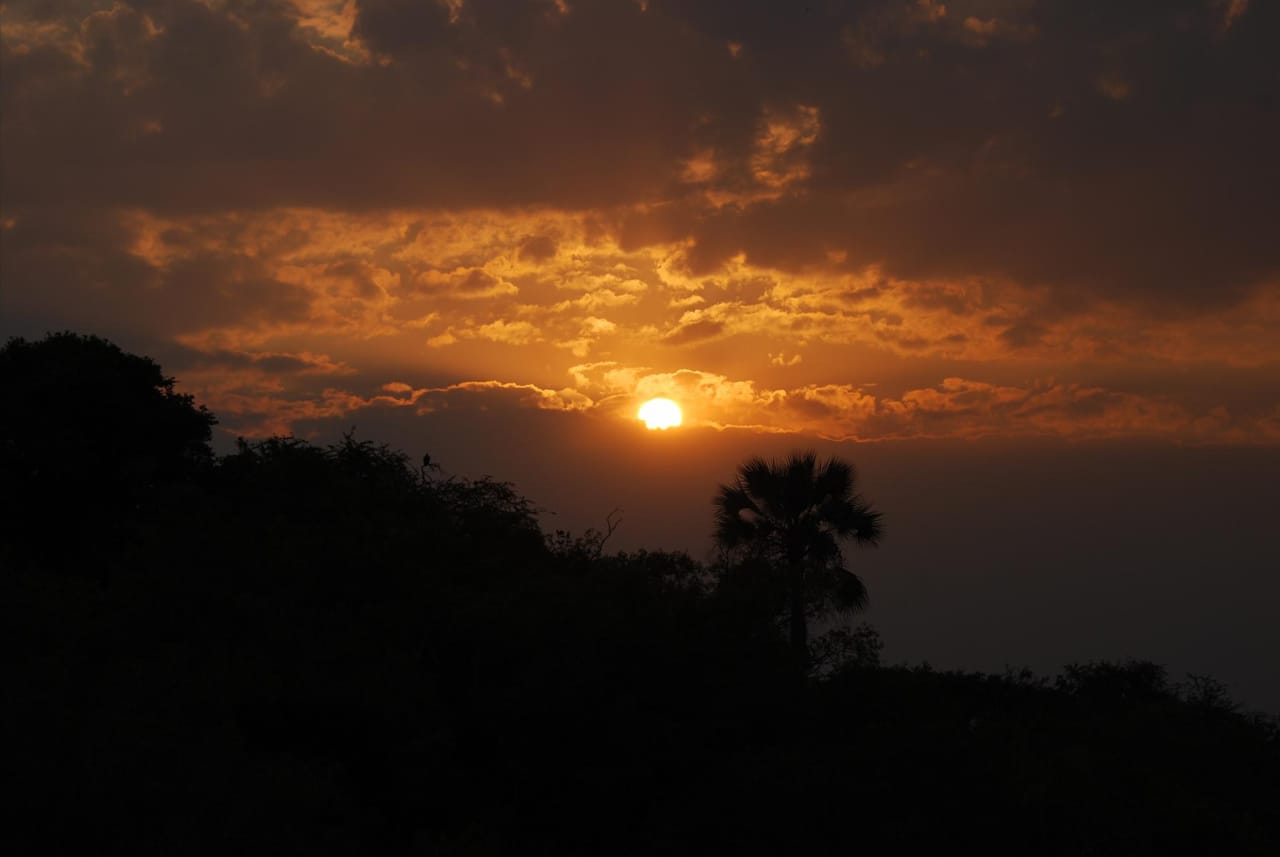
Sunset Over Zimbabwe
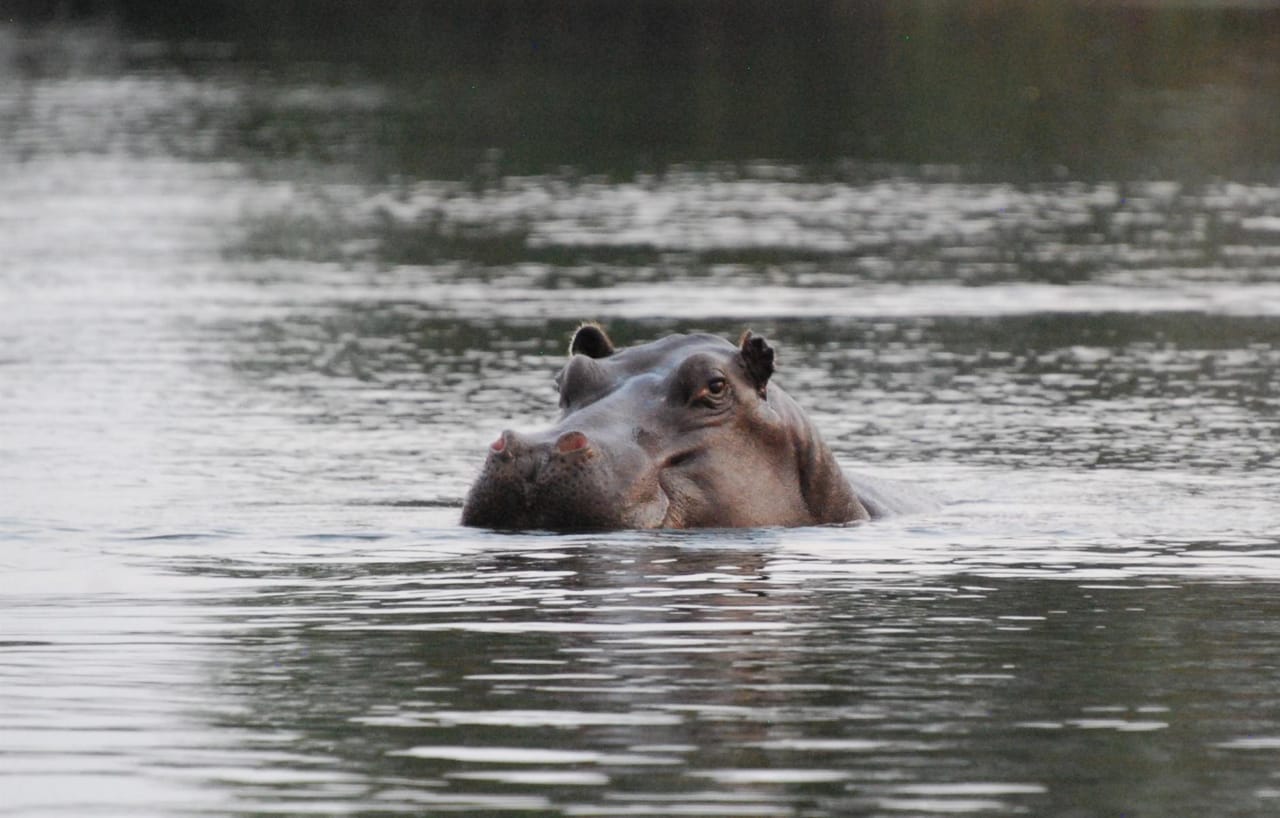
Hippo in the Zambezi River
I think he was eyeballing me for an afternoon snack! Zimbabwe
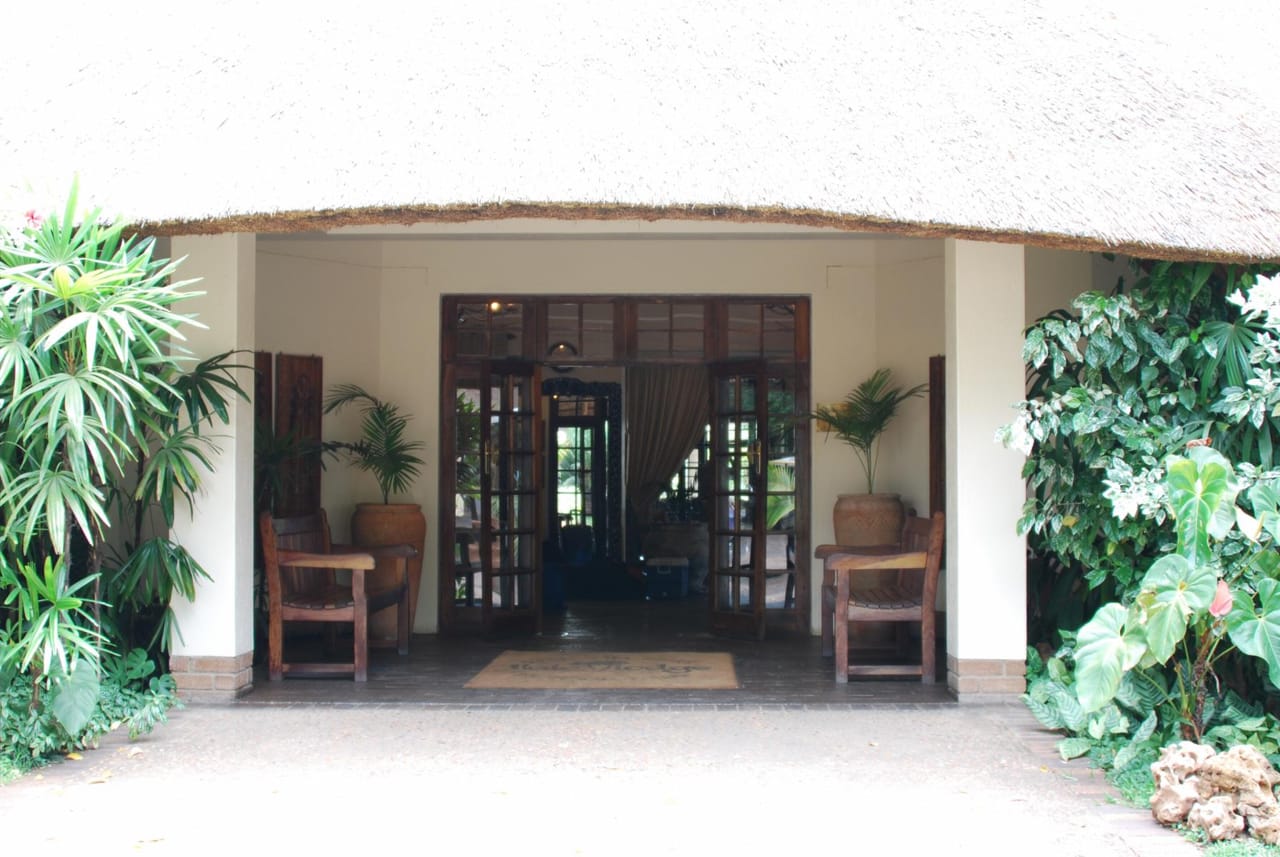
Ilala Lodge
Victoria Falls, Zimbabwe
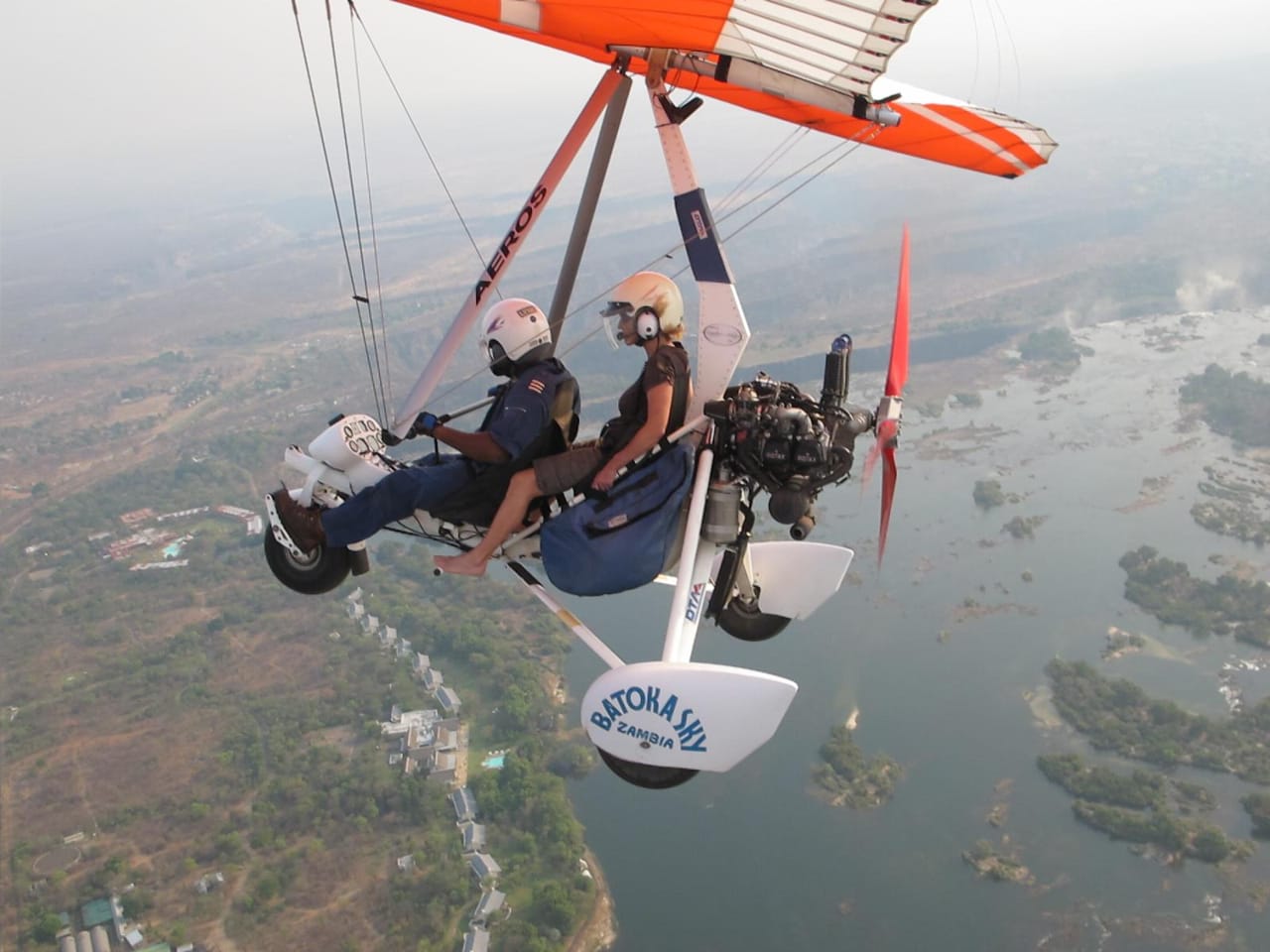
Ultralight Over Victoria Falls
Batoka Sky, Zambia
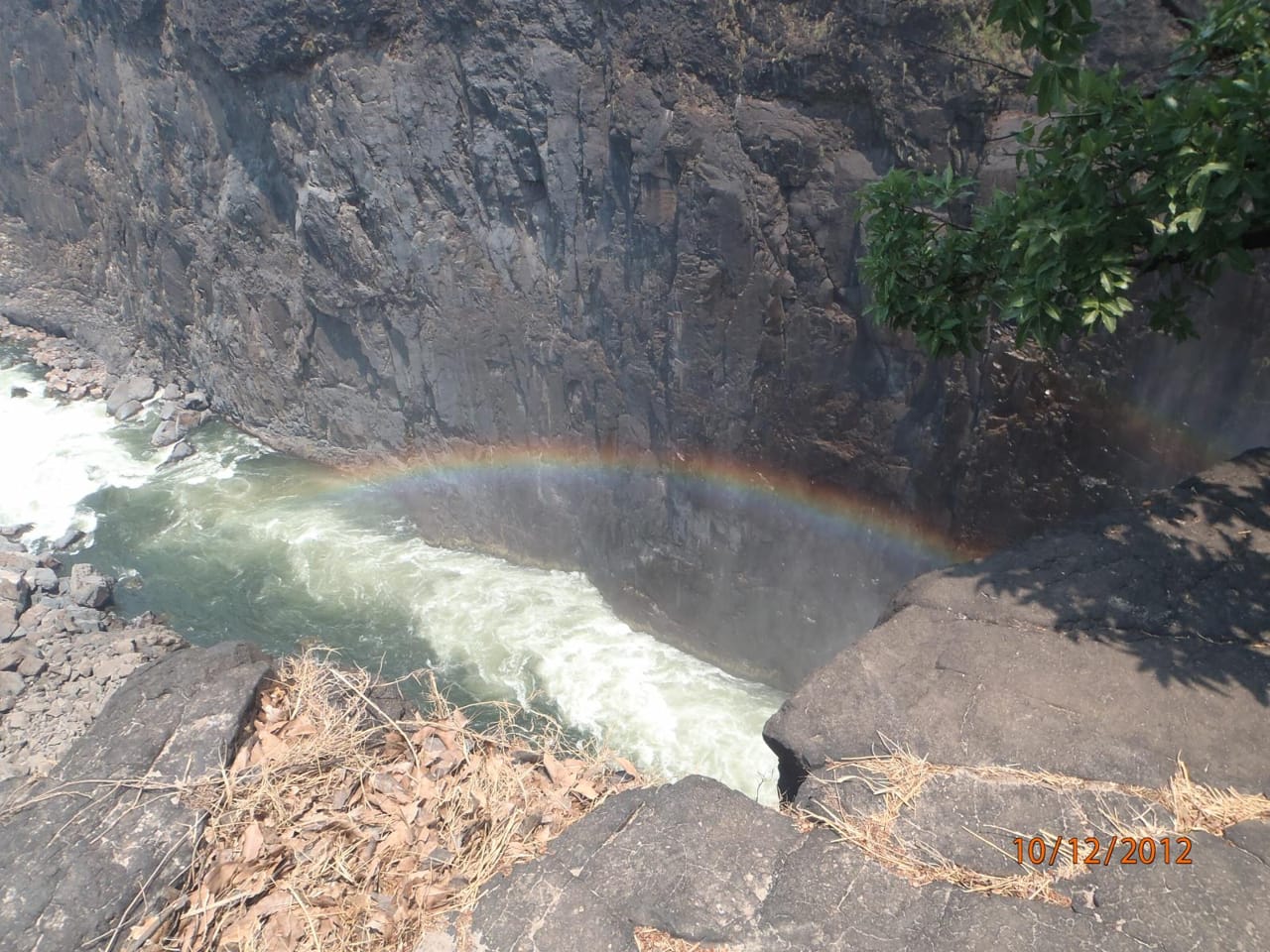
Victoria Falls: Mosi-ao-Tonya
Formed by the Zambezi River which straddles Zambia and Zimbabwe
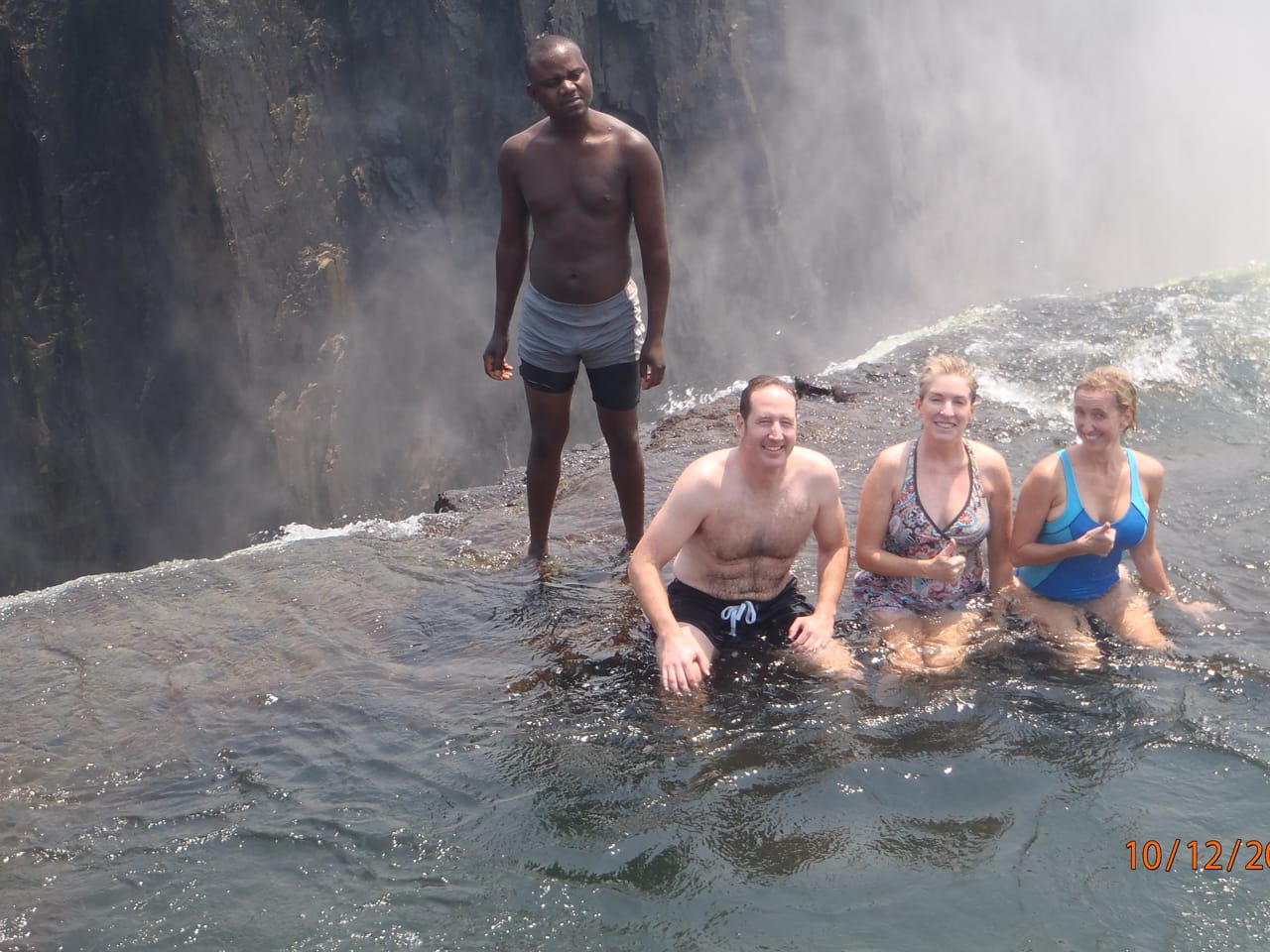
Devil’s Pool
Zambezi River, Zimbabwe
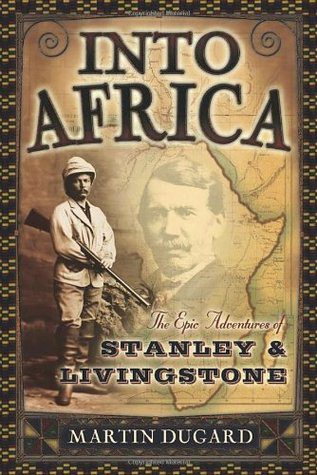
Into Africa: The Epic Adventures of Stanley and Livingstone
True account of of Dr. Livingstone’s search for the source of the Nile and journalist Henry Stanley’s search for him in a time when REAL adventures still existed…