
As I write this, I can’t believe how much we did during our 3 night stay in Mumbai. We really packed a lot in! I recommend staying 4 nights if you want to see all these things, so you can have more downtime. We just happen to have lots of energy and be a little crazy… some people told me 3 nights was too much, but Mumbai is such a vibrant city with so much to see, do, eat, and experience, I have to disagree!
Read about the first part of our stay in Mumbai here.
Food Tour
Our guide, Chandana, dropped us off after our day time tours for a little break, then picked us up again for our evening food tour. She must have been getting tired of us by this point!
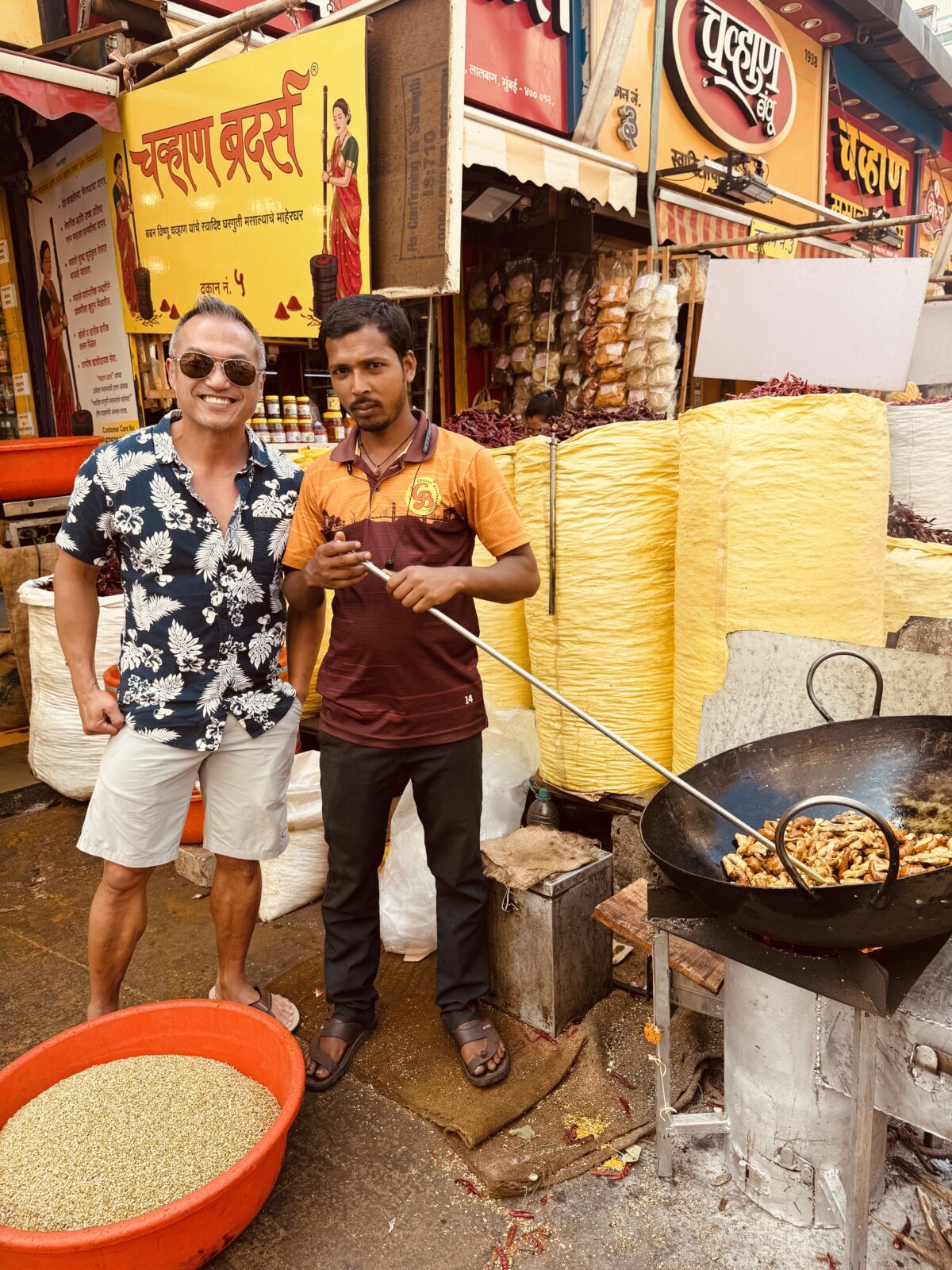
First stop- Spice Market!
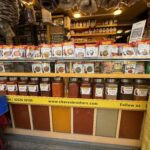
The smells assaulted our senses as we were dropped off by the colorful stalls where the magic happens. The spices that make Indian food unique start here. Indian cooking isn’t based on “curry powder.” Instead, cooks use dozens of different spice combinations that vary by region, family, and even individual dish. Watching these masalas being blended by hand gives you a new appreciation for the depth and diversity of Indian cuisine.
The air was thick with the warm, earthy aroma of cumin, coriander, turmeric, and dried chilies. Workers roasted whole spices over an open flame in enormous wok-like pans, carefully stirring the mixture until the heat unlocked the essential oils and intensified the flavors. Once cooled, the roasted spices were poured into massive grinding machines that roared so loudly we could not hear each other speak.
Within moments, the coarse spices had been transformed into incredibly fragrant powders. The freshly ground masalas were then weighed, packaged, and stacked for sale—often just minutes after being made. It was fascinating to watch a process that has changed little over generations and to realize that every fragrant curry, biryani, or tandoori dish begins with this remarkable blend of craftsmanship, tradition, and fresh ingredients. We took a few packets home with us, with recipe recommendations from Chandana.
Next up-Street Food
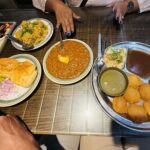
Full disclosure- we did not go to food stalls on this tour- instead, we sat in the air conditioned comfort of Badshah Pure Veg Restaurant.
We had several of the most popular Indian street food dishes. We were skeptical about a “pure veg” dinner, because we tend to enjoy our meat… but we were blown away by the variety and complex flavor profiles of the dishes we tried.
Pav Bhaji
Pav bhaji may not look like the prettiest dish on the menu, but don’t let that fool you. This humble plate is pure comfort food, Mumbai-style. A mountain of vegetables is cooked down with tomatoes, potatoes, butter, and an incredible blend of spices until it becomes a rich, creamy curry. It’s served with soft bread rolls toasted in an almost scandalous amount of butter. Tear off a piece of bread, scoop up the bhaji, add a squeeze of lemon and a few bites of fresh onion, and you’ll understand why this simple street food has become a local favorite. I could have happily eaten this every day.
Sev Batata Puri
If happiness could be served on a plate, I think it would look a lot like sev batata puri. Every little crispy shell is piled high with potatoes, onions, chutneys, yogurt, and a shower of crunchy sev. The first bite is a whirlwind of sweet, tangy, spicy, creamy, and crunchy—all somehow happening at exactly the same time. Just when you think you’ve figured out your favorite flavor, another one sneaks in. It’s impossible to eat just one, and honestly, trying to describe it doesn’t do it justice. This is one of those foods you simply have to experience.
Pani Puri
Pani puri comes with one important rule: don’t nibble. Pop the whole thing into your mouth in one bite or prepare to wear it! The delicate, hollow shell is stuffed with potatoes and chickpeas before being filled with icy, herb-infused water that’s tangy, spicy, and incredibly refreshing. The moment you bite down, the crisp shell shatters and the explosion of flavors hits all at once. It’s messy, unexpected, and ridiculously fun to eat. Assembling them was almost as fun as eating them. Almost.
Royal Falooda
Royal falooda is one of India’s most iconic desserts, and after hearing so much about it, I couldn’t wait to give it a try. It is usually served in a tall glass, but their version was in a giant bowl. It’s a colorful, over-the-top creation layered with rose syrup, vermicelli noodles, basil (sabja) seeds, milk, ice cream, jelly, and chopped nuts. Every spoonful is a little different, with a mix of creamy, chewy, crunchy, and silky textures.
I’ll admit…this one just wasn’t my favorite. I’m glad I tried it because it’s such a classic Indian treat, but if I had to choose, I’d happily order another plate of pav bhaji or pani puri instead. With that said, I am more of a savory girl than a sweet one (take that however you choose). That’s part of the fun of traveling—not every local specialty becomes a new favorite, but every bite is part of the adventure.
We walked the night market for a while after dinner, stopping by food stalls serving the dishes we had tried so we could see how the vendors prepared them.
Dinner at Trishna
After spending the evening enjoying Mumbai’s incredible street food, we honestly couldn’t imagine fitting in another meal. But dinner at Trishna was a must-experience (just ask the cast of the Odyssey, who dined there last week), so we loosened our belts and showed up anyway. I’m so glad we did.
The restaurant had an inviting, upscale minimalist feel without being stuffy. It was buzzing with energy, and nearly every table seemed to be filled with travelers from around the world who had come for the same reason we had—to experience one of Mumbai’s most famous seafood restaurants.
Even though we were already full, we couldn’t resist ordering Trishna’s legendary garlic butter crab. Thankfully, the staff thoughtfully removed all of the meat from the shell before serving it, so we could focus on enjoying every rich, buttery bite instead of wrestling with crab crackers. The sweet, tender crab absolutely lived up to its reputation, coated in a garlicky butter sauce that was so good we were tempted to ask for more bread just to soak up every last drop.
We also shared an order of perfectly fried shrimp and fresh pomfret, both simply prepared to let the quality of the seafood shine. Every dish was excellent, but what made the evening even more memorable was the service. The staff anticipated every need before we even had to ask, making us feel genuinely welcome from the moment we walked through the door. Honestly, the service was almost uncomfortable- waitstaff stood by watching us eat… I thought they were going to start feeding us by hand!
By the end of the meal, which we could not come close to finishing, we were convinced there really is such a thing as being “comfortably overstuffed.” If you’re visiting Mumbai and love seafood, Trishna absolutely deserves a spot on your itinerary. Just do yourself a favor and don’t schedule a street food tour right before dinner like we did!
-
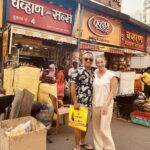
- Spice Market, Mumbai
-
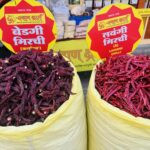
- Chilies for Sale
-
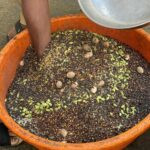
- Spices Ready to Sell
-

- Colorful Fabrics at the Market
-
- Our “Street Food”
Early Morning Bicycle Tour
We needed a little exercise after that night of culinary decadence, so it was easy to get up before dawn for our bicycle tour with Reality Tours.
The Sassoon Fish Market was part of the tour, but we skipped it since we’d already been and didn’t have spare shoes to sacrifice to the stench. We rode by the waterfront and past all the major landmarks, stopping for photo ops at the University of Mumbai’s Rajabai clock tower, Victoria train station (Chhatrapati Shivaji Maharaj Terminus), and the Bombay High Court.
Looking for Gold in the Streets
One of the most fascinating stories we heard in Mumbai wasn’t about a palace or a famous landmark—it was about the streets themselves.
We wandered through Zaveri Bazaar, Mumbai’s famous jewelry district, where hundreds of tiny shops buy, sell, and craft gold and precious gems. By day, the narrow streets are packed with shoppers, jewelers, delivery carts, and motorcycles weaving through what feels like organized chaos.
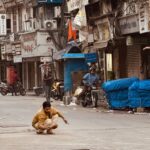
Our guide told us that before the city fully wakes up each morning, a different kind of treasure hunt begins.
Men arrive with simple brooms and carefully sweep the streets outside the jewelry workshops, collecting dust from the cracks, gutters, and sidewalks. It sounds unbelievable, but they’re searching for microscopic flecks of gold that escaped during the previous day’s cutting, polishing, and crafting. The sweepings are later processed, and if they’re lucky, tiny bits of precious metal can be recovered.
Imagine making a living by finding gold in street dust.
Whether they find a little or a lot, I loved what this tradition says about Mumbai. In a city where millions of people hustle every day, nothing—not even a speck of gold—is considered too small to matter. It was one more reminder that some of the most memorable travel experiences aren’t the famous monuments. They’re the stories you hear while wandering the streets.
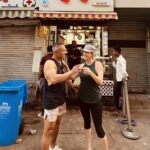
A shot of masala chai with the locals helped wake up our brains, and a little vigorous pedaling woke up our bodies. We experienced a rare serendipitous treat while riding down this street- it was New Years in this state of India, and lines of locals were waiting to enter a temple to pay their respects. We were invited to join the queue and observe some of the festivities, although we could not enter the actual temple. We experienced some of the energy and all of the curious looks and head bobbles. As everywhere, a few guys approached Vuong and commented on his muscles… some just looked at him and flexed!
We left the temple and hopped back onto our bikes… traffic had started to pick up, and we found ourselves joining the sea of cars, scooters, carts, pedestrians, and bicycles. It was harrowing, but we avoided disaster!
A Hidden Sanctuary in the Heart of Mumbai
One of the most unexpected experiences of our time in Mumbai began with a ride down a maze of narrow, dimly lit lanes winding between private homes. It felt like we were heading somewhere only the locals knew about… Tucked away at the end of the quiet passageways was one of the city’s best-kept secrets—Bombay Panjrapole.
Founded in 1834, this historic sanctuary provides a safe home for rescued and abandoned cows and other animals. In a city of more than 20 million people, it was hard to believe such a peaceful place could exist just beyond the busy streets.
We were even invited to feed the mama cows, an experience that was both surprisingly calming and incredibly special. Standing face-to-face with these gentle animals and staring into their huge, soft brown eyes offered a glimpse into the deep respect cows hold in Indian culture, where they symbolize compassion, generosity, and the nurturing gifts of life.
Just steps away stood a beautiful white temple, Adishwarji Jain Temple. Its gleaming marble and intricate carvings creating an atmosphere of remarkable tranquility. Jainism teaches ahimsa, or nonviolence toward all living beings, making the temple and the nearby sanctuary feel perfectly connected.
Looking back, what I remember most wasn’t just feeding the cows—it was the journey to get there. Winding through those quiet back alleys felt like discovering a side of Mumbai that most visitors never see. Sometimes the most memorable travel experiences aren’t found on the city’s famous boulevards. They’re tucked away at the end of a narrow lane, waiting for someone curious enough to keep walking.
We finished the tour and stopped by a local barber shop, where Vuong has a mini-spa treatment consisting of a haircut, shave, head massage, and eyebrow grooming. He enjoys doing this wherever we go, and this one was particularly enjoyable because of the skill and techniques of the barber. All for the low price of around $2 USD!
-

- Victoria Station
-
- Searching for Gold
-
- A Chai Toast
-

- Mama Cow at Cow Sanctuary
-

- In Mumbai by Gateway to India
-
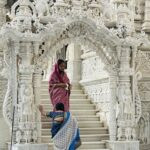
- Jain Temple Near Cow Sanctuary
Bollywood Studio Tour
Our bike tour was over by about 8:30 am, allowing us time to relax before our Bollywood studio tour!
We recently discovered Bollywood movies, and I have to say- Indian movie producers have the right formula! Over the top action, insane (unbelievable) special effects, dashing leading men, fairytale romance, with a generous dose of stories drawn from centuries of mythology, folklore, and tradition.
A Little Bollywood History
Bollywood—the nickname for India’s Hindi-language film industry based in Mumbai—is one of the largest film industries in the world, producing hundreds of movies each year. The name combines “Bombay” (the former name of Mumbai) with “Hollywood,” but Bollywood has developed a style and identity entirely its own. Indian cinema began in 1913 with the release of Raja Harishchandra, India’s first full-length feature film. Over the decades, Bollywood evolved from silent films into the colorful, music-filled productions that have become its trademark.
What makes Bollywood unique is its ability to blend so many forms of storytelling into one experience. Romance, comedy, action, family drama, elaborate costumes, breathtaking locations, and unforgettable song-and-dance sequences all come together in films that are meant to entertain on every level. Many movies also draw inspiration from India’s rich traditions of folklore, epic stories, and cultural themes, connecting modern audiences with centuries of storytelling. Bollywood isn’t just an industry—it’s a celebration of emotion, music, and imagination.
The Stars of Bollywood Today
Like Hollywood, Bollywood has its own legends—actors whose names are recognized across India and around the world. Shah Rukh Khan remains one of the industry’s biggest icons, with a career spanning more than three decades and a devoted global fan base. Known for his charisma, romantic roles, and incredible screen presence, he is often called the “King of Bollywood.” Further, he is one of the most famous actors in the world (up there with Tom Cruise and George Clooney), and is one of the richest actors in the world, with a net worth of around 1.5 billion USD.
Amitabh Bachchan is another towering figure in Indian cinema. With a career that began in the 1960s, his deep voice, commanding presence, and decades of memorable performances have made him a cultural icon. He is a living legend, a la Robert DiNero.
Today’s Bollywood is also shaped by stars such as Deepika Padukone, known for her powerful performances and international recognition; Priyanka Chopra Jonas, who has successfully crossed over into international film and television; and Ranveer Singh, famous for his bold personality and energetic performances.
*Side note: Not all Indian films are “Bollywood.” There is also Kollywood (Tamil), and Tollywood (Telugu). One of my favorite actors, Prabhas, is from Tollywood, and some of the most popular Indian films came from there: Baahubali and RRR.
During our Bollywood tour, it became clear that these stars are more than just actors—they are part of a massive cultural phenomenon. Bollywood brings people together through shared stories, music, and emotions, and experiencing even a small glimpse behind the scenes helped us understand why these films hold such a special place in Indian culture.
We learned about movie production (nothing is real!), visited movie sets, and got to see an Indian soap opera being filmed. We learned how hard these actors work- their days typically last 12+ hours, and they have to perform each scene multiple times.
Our tour also included some cheesy but very fun activities! Dance is a huge part of Indian cinema, and Bollywood dances are over the top! We had our own little Bollywood dance session with 4 young dancers.
The Magic Behind the Sounds
One of the most fascinating stops on our Bollywood tour was learning about the work of a foley technician. Before this tour, I had never really thought about where movie sounds come from. The dramatic footsteps, the swish of clothing during a dance scene, a door closing, a glass breaking, or even the sound of someone picking up an object—all of those tiny details may be created after filming by a foley artist.
Watching how these sounds are recreated was like seeing movie magic happen behind the scenes. A foley technician uses everyday objects, creative problem-solving, and incredible attention to detail to make scenes feel believable. It reminded us that movies aren’t just made by the actors in front of the camera; countless talented people work behind the scenes to create the world we see and hear on screen.
As part of the “sound” portion of our tour, we “sang” karaoke to the Proclaimers “I’m gonna be (500 Miles)” I know the technicians were cringing, but we had a blast!
Becoming Bollywood Zombie Victims
One of the most entertaining parts of our Bollywood tour was getting a behind-the-scenes look at how special effects bring movies to life. Of course, we couldn’t just watch—we had to become part of the action!
We stepped in front of a green screen and filmed our very own mini zombie movie, complete with dramatic expressions, exaggerated movements, and plenty of laughs. It was fascinating to see how a simple green backdrop could be transformed into an entirely different world with the help of digital effects. Our little zombie flick was definitely not destined for the big screen, but it gave us a new appreciation for the creativity, technology, and teamwork that go into creating the movie magic we see on screen.
-

- Playing Dress Up with Bollywood Costumes
-
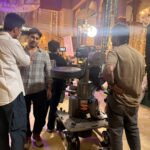
- Watching a Live Shoot
-
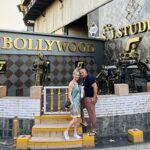
- At Entrance to SJ Studios
-

- Singing Karaoke
-

- With Bollywood Dancers
-

- Shah Rukh Khan in Wax
Dharavi Slum Tour
Twenty-four hours later, we found ourselves walking the narrow lanes of Dharavi, one of the world’s most famous slums. At first glance, it seemed like the sharpest possible contrast, but as we would soon discover, appearances can be wonderfully deceptive. If your mental picture of a slum is simply rows of makeshift shelters filled with hopelessness and homelessness, prepare to rethink everything.
Dharavi isn’t a refugee camp or a place where people have simply been forgotten. It’s a vibrant, densely packed community where 1.5 million people live, work, raise families, attend school, exercise at local gyms, visit doctors and lawyers, worship at temples, churches, and mosques, and operate thousands of small businesses. It is a place of extraordinary resilience, relentless entrepreneurship, and immense pride—a community that challenged nearly every assumption I realized I had brought with me.
Our guide, Amaan, was raised in the Dharavi slums. He was young and had a sweet, innocent demeanor. I’m not sure what I expected, but it was not this.
We were dropped off on a main road by the water and walked down a narrow, litter-strewn path that felt like an alleyway between two high-rises. Well, that is what it was—but instead of being flanked by gleaming office towers or luxury apartment buildings, we were hemmed in by tightly packed, multistory homes and workshops that had grown upward and outward over generations.
Corrugated metal roofs overlapped concrete additions, electrical wires crisscrossed overhead, and balconies seemed to lean into one another until only a ribbon of sky remained. It was crowded, noisy, and unlike anything I had ever experienced. Yet within a few minutes, the initial shock began to fade, replaced by the realization that this wasn’t a place of transience. This was a neighborhood—a living, breathing community where families had built homes, raised children, run businesses, and created lives despite having almost no room left to grow.
The Dharavi slums comprise a thriving, growing community. These people work hard.
One of the most surprising stops in Dharavi was learning about its massive recycling industry. What many people see simply as a slum is actually one of Mumbai’s largest informal recycling hubs, where mountains of discarded plastic are sorted, cleaned, shredded, and transformed into new products. Some plastics are melted into pellets to manufacture everything from buckets to hangers, while recycled PET bottles are turned into soft polyester fiber used to fill pillows, cushions, quilts, and stuffed animals. It was a fascinating reminder that innovation and entrepreneurship can thrive in the most unexpected places, even while the work itself is physically demanding and often carried out under challenging conditions.
Another industry that has helped put Dharavi on the map is leather craftsmanship. Skilled artisans hand-cut, stitch, and finish high-quality handbags, wallets, belts, jackets, and other leather goods, many of which are exported around the world or produced for well-known brands. As we watched craftsmen transform simple pieces of leather into beautifully finished purses, it became clear why Dharavi has earned a reputation for exceptional craftsmanship. The workshops may be small, but the skill, attention to detail, and entrepreneurial spirit behind every piece are anything but. There is a shop where you can pick up your own creation!
Beyond recycling and leather, Dharavi is home to thousands of small workshops that form the backbone of a thriving informal economy. As we walked through its narrow lanes, we caught glimpses of artisans making pottery, tailoring garments, baking bread, crafting soap, welding metal, woodworking, printing, and producing countless everyday goods. Many businesses are family-run and specialize in a single step of the manufacturing process, creating a remarkable network of skilled craftsmen and entrepreneurs. It’s a side of Dharavi that challenges common perceptions and reveals a community built on resilience, ingenuity, and hard work.
-

- Walking Through Alleyways of Dharavi
-
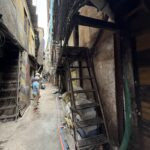
- Steep Stairs
-

- Leather Production
-

- Look for this Label!
-

- Hauling Plastic
-

- Recycled Plastic Ready to Stuff Your Pillow
On our way to the airport to catch our flight to Goa, we enjoyed a walk through the garden and passed by a very interesting site.
Towers of Silence
One of the most thought-provoking stories we heard that day was about Mumbai’s Zoroastrian Towers of Silence. As a pathologist, I’ve spent my career studying disease and caring for patients after death, so I was especially fascinated to learn how the Parsi community has, for centuries, honored their dead by leaving them atop these secluded towers, allowing nature to return their bodies to the elements rather than choosing burial or cremation.
The towers themselves are closed to visitors, but simply learning about this tradition reminded me how travel broadens our perspective. Customs that may seem unfamiliar at first often reflect deeply held beliefs, and I left with an even greater appreciation for the many ways people around the world honor life—and death. I think it is a pretty good idea…
That’s All Folks!
Next time, learn about our relaxing time in the hippie haven of Goa, then the twist that extended our Asian exploration!


0 Comments